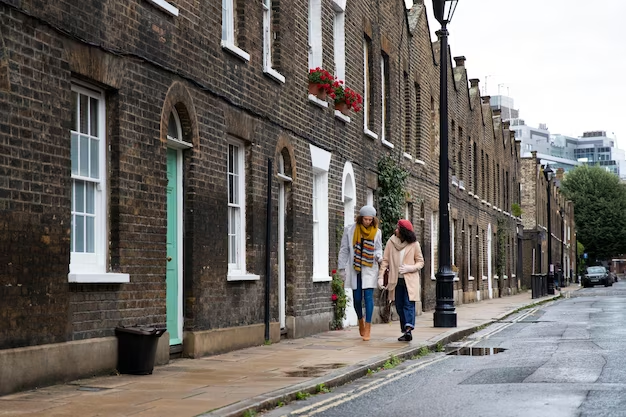
Dublin, the vibrant capital of Ireland, brims with history, culture, and youthful energy. For first-timers wondering where to base themselves, the best area largely depends on what experiences you’re looking to have. From the cobblestone streets of Temple Bar, renowned for its cultural pulse and nightlife, to the peaceful greenery of St. Stephen’s Green, close to premium shopping streets, Dublin has neighborhoods to suit every traveler’s needs. Whether you prioritize accessibility to historical sites, the hustle and bustle of city life, or a tranquil retreat after a busy day of sightseeing, the right area can make all the difference in enjoying what Dublin has to offer.
Understanding Dublin’s Layout
Dublin can seem like a labyrinth to newcomers, but it’s actually quite straightforward once you understand its layout. The River Liffey slices the city in two, dividing it into the Northside and Southside, each with its own distinctive character.
Overview of Dublin’s geography
The Southside boasts grand Georgian architecture and is often considered more upscale, with the Northside exuding a more down-to-earth vibe. Landmarks like Trinity College, Dublin Castle, and the famous Temple Bar area are located on the Southside. Meanwhile, the Northside is home to important historical sites such as the General Post Office (GPO), which played a significant role in the 1916 Rising.

Key districts and what they offer
Dublin is dotted with districts that offer a miscellany of atmospheres and experiences. From the fashionable to the edgy, each district has its own unique offering:
- Temple Bar – Dublin’s cultural epicenter, replete with galleries, restaurants, and traditional pubs.
- Grafton Street/St. Stephen’s Green – The ultimate shopping destination, a stone’s throw from serene parkland.
- O’Connell Street – Main thoroughfare lined with monuments and a blend of historical and modern shopping experiences.
- Docklands – A glimpse into Dublin’s future, with state-of-the-art architecture and vibrant corporate energy.
- Smithfield/Stoneybatter – Where old-world charm meets trendy eateries and bars.
Proximity to Attractions
Deciding where to stay always begs the question of how close you’ll be to Dublin’s attractions. Below is a simplified table that highlights the proximity of key areas to popular Dublin attractions:
| Area | Trinity College | Guinness Storehouse | Dublin Castle | Jameson Distillery |
|---|---|---|---|---|
| Temple Bar | 10 min walk | 25 min walk | 8 min walk | 15 min walk |
| Grafton Street / St. Stephen’s Green | 5 min walk | 30 min walk | 10 min walk | 20 min walk |
| O’Connell Street | 15 min walk | 35 min walk | 12 min walk | 20 min walk |
| Docklands | 20 min walk | 40 min walk | 25 min walk | 30 min walk |
| Smithfield / Stoneybatter | 25 min walk | 20 min walk | 20 min walk | 5 min walk |
Top Areas to Stay for First-Time Visitors
Temple Bar: Dublin’s Cultural Heart
Stepping into Temple Bar is like walking into the quintessential Irish postcard scene, with music spilling out from pubs and artwork adorning the streets.
Pros of staying in Temple Bar
The advantages of staying in Temple Bar are numerous for the culturally curious traveler. The vibrant nightlife is second to none, with countless pubs and live music venues that showcase the best of traditional Irish music. During the day, you can wander through the many art galleries, visit the Irish Film Institute, or browse the eclectic shops.
Cons of staying in Temple Bar
However, it is worth noting that Temple Bar can be quite noisy at night, which might be a deterrent for those seeking peace and quiet. It’s also typically pricier due to its popularity amongst tourists.
Grafton Street and St. Stephen’s Green: Shopping and Tranquility
For a touch of elegance and a respite from the city’s pace, the area around Grafton Street and St. Stephen’s Green provides a refreshing contrast.
Highlights of the area
Grafton Street offers a wide array of shopping options, from high street to high-end. Here, the city’s heart beats rhythmically to the sound of street performers and the bustle of shoppers. Just off Grafton Street lies St. Stephen’s Green, a Victorian park that serves as an urban oasis, perfect for a leisurely stroll or a picnic.
Accommodation options
Accommodations in this area tend to blend the historic with the modern, providing an array of choices from plush hotels to charming bed-and-breakfasts.
O’Connell Street and the North City Centre: History and Accessibility
Those looking for a slice of Dublin’s rich history will find it along O’Connell Street and the surrounding North City Centre.
What to expect
O’Connell Street is adorned with monuments such as the Spire and the GPO building, serving as important touchstones to Ireland’s past. It’s a hub of activity with easy access to both historical and contemporary attractions.
Types of lodging available
You’ll find everything from budget-friendly hostels to more refined hotel options, making this area versatile for varying travel budgets.

Making the Most of Your Stay
To truly embrace the spirit of Dublin, immersing yourself in the local culture and navigating the city like a pro is essential. Knowing how to traverse Dublin efficiently can add comfort and convenience to your stay.
Transportation tips for getting around Dublin
Dublin is relatively compact, and the best way to explore its nooks and crannies is often on foot. However, for longer distances, Dublin offers a variety of public transport options:
- Dublin Bus – Offering extensive routes covering the entire city, it’s an affordable and convenient way to get around.
- LUAS – The city’s tram service is known for its efficiency and connects major points of interest across the city.
- DART – The coastal train provides beautiful sea views and serves destinations both to the north and south of the city.
Dublin’s public transport services
These services are integrated, and a Leap Card can be used across all three to simplify your travel. Visitors can avail of a Leap Visitor Card, which offers unlimited travel for a set period.
Walking and cycling in the city
Dublin also boasts a public bike-sharing scheme, known as Dublin Bikes, which is ideal for short trips around the city center. With dedicated bike lanes and relatively flat terrain, cycling can be both a practical and enjoyable experience.
Dining and Nightlife
Best dining options for history buffs
The city center is dotted with historic pubs and restaurants where you can enjoy a hearty Irish meal alongside a pint of Guinness. Many of these establishments, like The Brazen Head, claim centuries of history and are often frequented by both locals and visitors.
Hotspots for nightlife
For those who enjoy a vibrant nightlife, District 8 and The George are popular venues for late-night entertainment, regularly hosting DJs and live performances.
Alternative Areas for Different Experiences
Docklands: Modern Dublin’s Glowing Future
The reinvigorated Docklands area, with its futuristic architecture, embodies the city’s forward-thinking attitude.
Why choose Docklands
Modern luxury apartments and stylish hotels line the waterfront, offering beautiful views and high-end amenities. The area is populated with a mix of locals and international professionals, bringing a cosmopolitan flair.
Places to visit
The Bord Gáis Energy Theatre hosts world-class performances, while the EPIC The Irish Emigration Museum provides insightful exhibitions on the Irish diaspora.
Smithfield and Stoneybatter: The Old Meets the New
These neighborhoods are teeming with historic charm, but with a twist of modernity.
Discovering the local charm
Smithfield Square is home to the Old Jameson Distillery, offering tours and tastings, while Stoneybatter has preserved its historic streetscapes, now filled with artisan coffee shops and vintage stores.
Where to eat and relax
Listed below are popular spots to consider:
- Mulligan’s – A historic pub with an impressive selection of whiskeys.
- L. Mulligan Grocer – Combining traditional Irish ingredients with contemporary flair.

Conclusion
Dublin, a city of layered history and contemporary vibes, offers a plethora of options for accommodation, depending on your personal preferences and interests. As a first-timer, staying centrally allows for easy exploration and a taste of the city’s buzzing heart. However, venturing a bit further afield can offer a different perspective and a quieter retreat. No matter where you choose to stay, the warmth of the Irish welcome remains the same. The key is to strike a balance between convenience, comfort, and charm, ensuring your Dublin adventure is both memorable and authentically Irish.
FAQs
1. What is the best time of year to visit Dublin?
The best time to visit Dublin is from May to August when the weather is mild, and there are numerous festivals.
2. Are there any tourist passes available for sightseeing in Dublin?
Yes, the Dublin Pass offers entry to over 30 attractions and can provide savings for tourists planning to visit multiple sights.
3. Is Dublin a safe city for tourists?
Dublin is generally considered safe for tourists, but, like in any city, it’s important to stay aware of your surroundings and take standard precautions.
4. Can you drink tap water in Dublin?
Tap water in Dublin is safe to drink, and it’s common to ask for tap water in bars and restaurants.
5. How should tourists dress when exploring Dublin?
The weather in Dublin can be unpredictable, so layered clothing is advised. Always carry a raincoat or umbrella, regardless of the forecast.