Kakadu National Park: Ultimate Guide to Top Attractions and Activities
Introduction
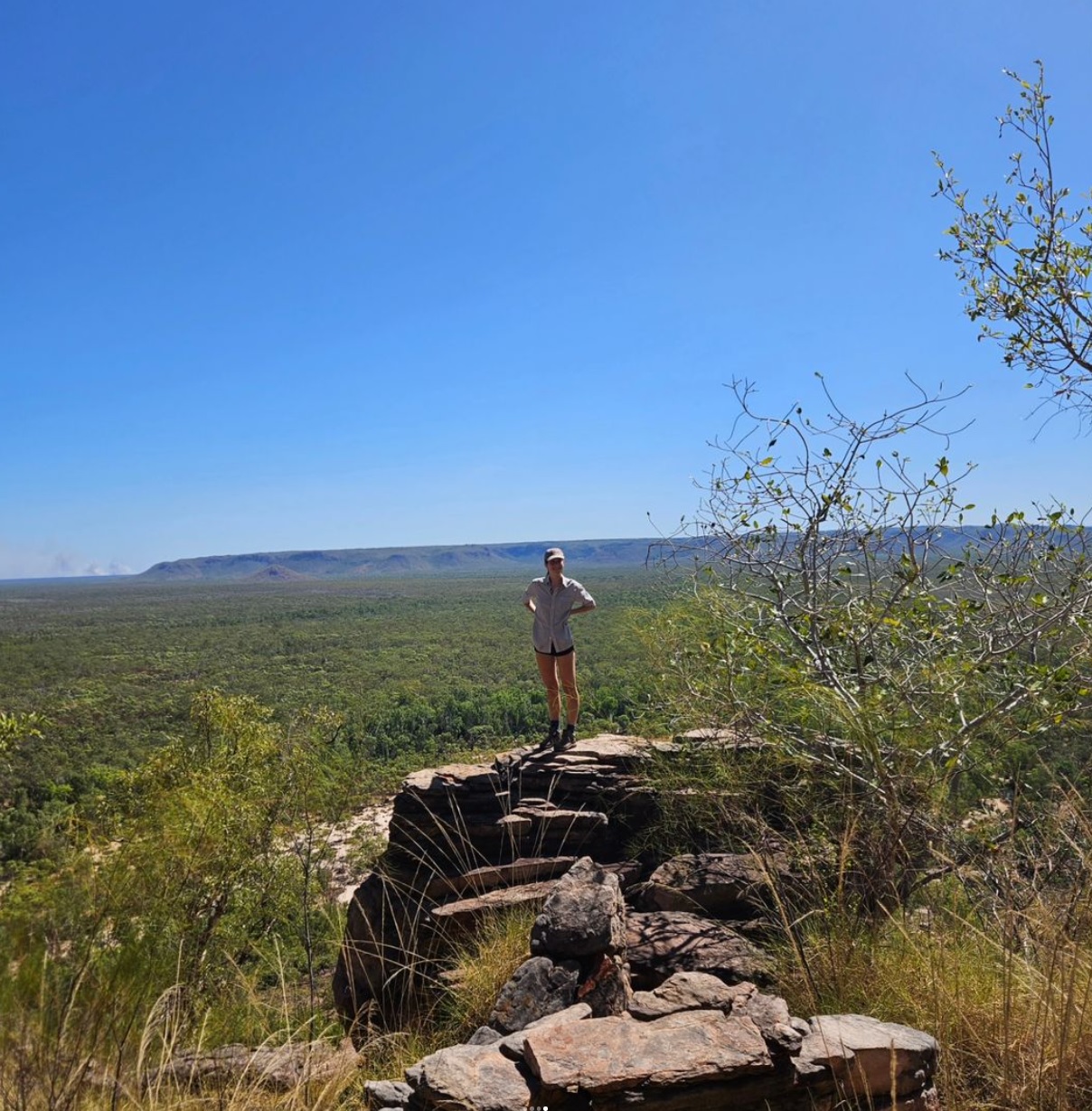
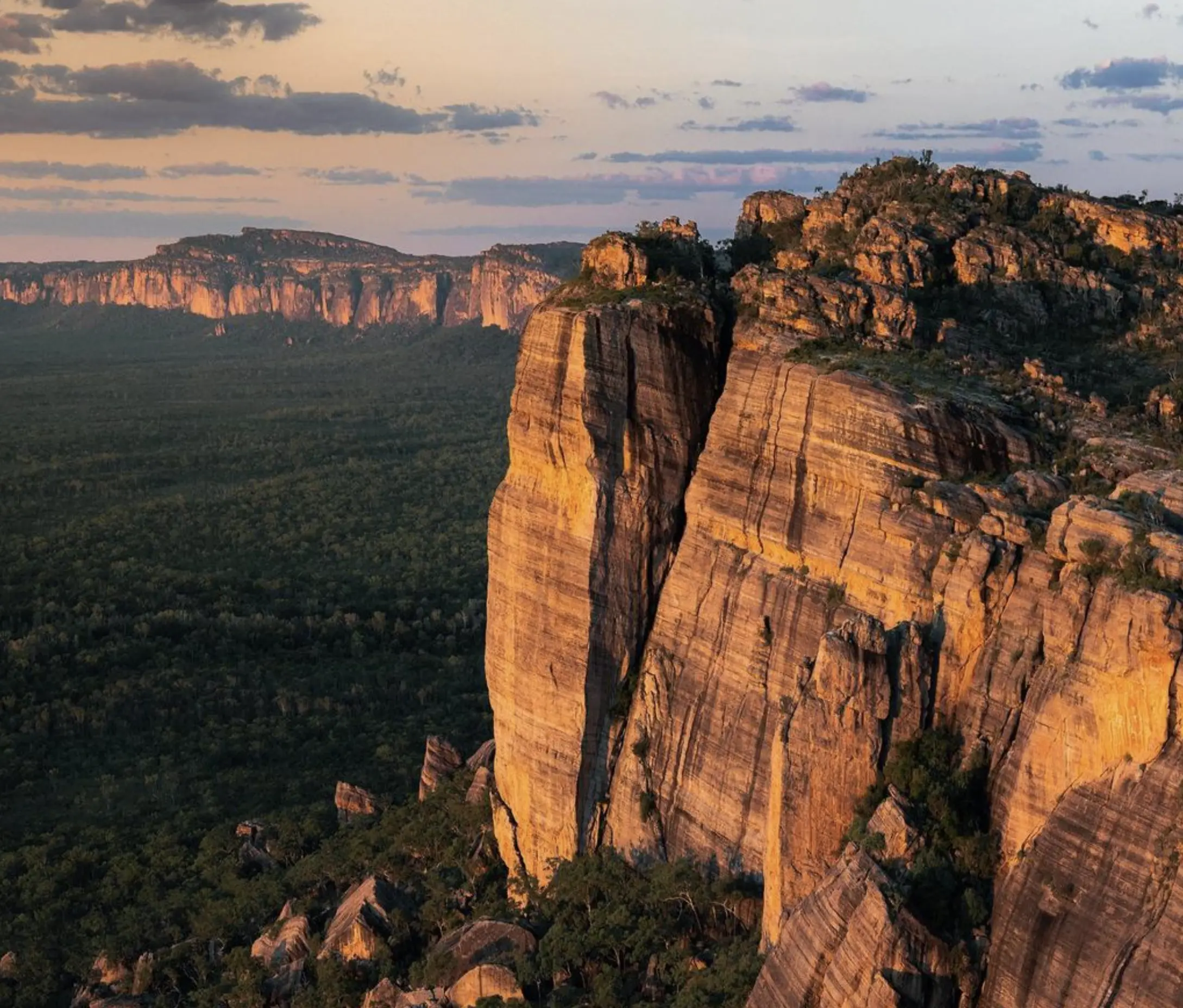
Kakadu National Park, a UNESCO World Heritage site in Australia’s Northern Territory, is a natural wonderland teeming with diverse ecosystems, ancient rock art, and significant Aboriginal heritage. Spanning nearly 20,000 square kilometers, the park is a living cultural landscape that has been continuously inhabited for over 65,000 years. This guide delves into the top attractions and activities that make Kakadu an essential destination for nature lovers, keen hikers, and cultural enthusiasts alike.
Walk through Ancient Shelters at Nourlangie
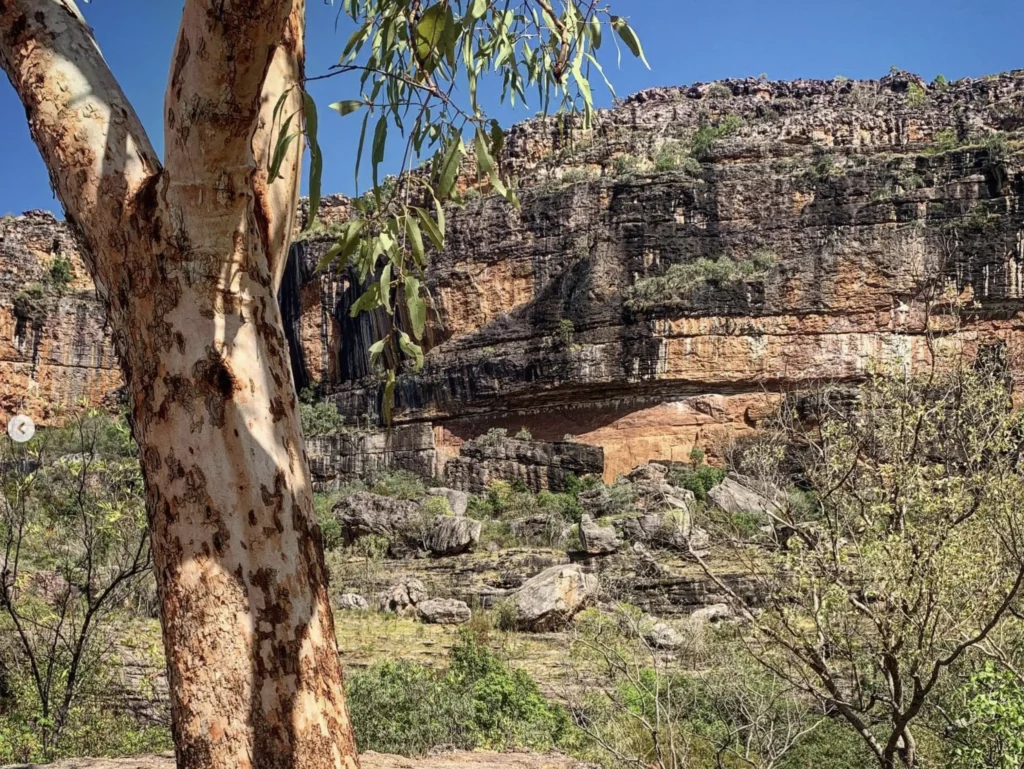
Nourlangie Rock, located in the heart of Kakadu, offers a fascinating glimpse into the region’s Aboriginal heritage. The area is rich in ancient rock art galleries, showcasing paintings of animals, mythical beings, and everyday life. The art at Nourlangie provides invaluable historical records of the Indigenous people who have lived here for thousands of years. Walking through the ancient shelters, you can see depictions of Namarrgon, the Lightning Man, and other significant figures in Aboriginal mythology. This sacred site also offers breathtaking views of the surrounding stone country, making it a must-visit for those interested in cultural heritage and natural beauty.
Learn about Australia’s Best Aboriginal Rock Art at Ubirr
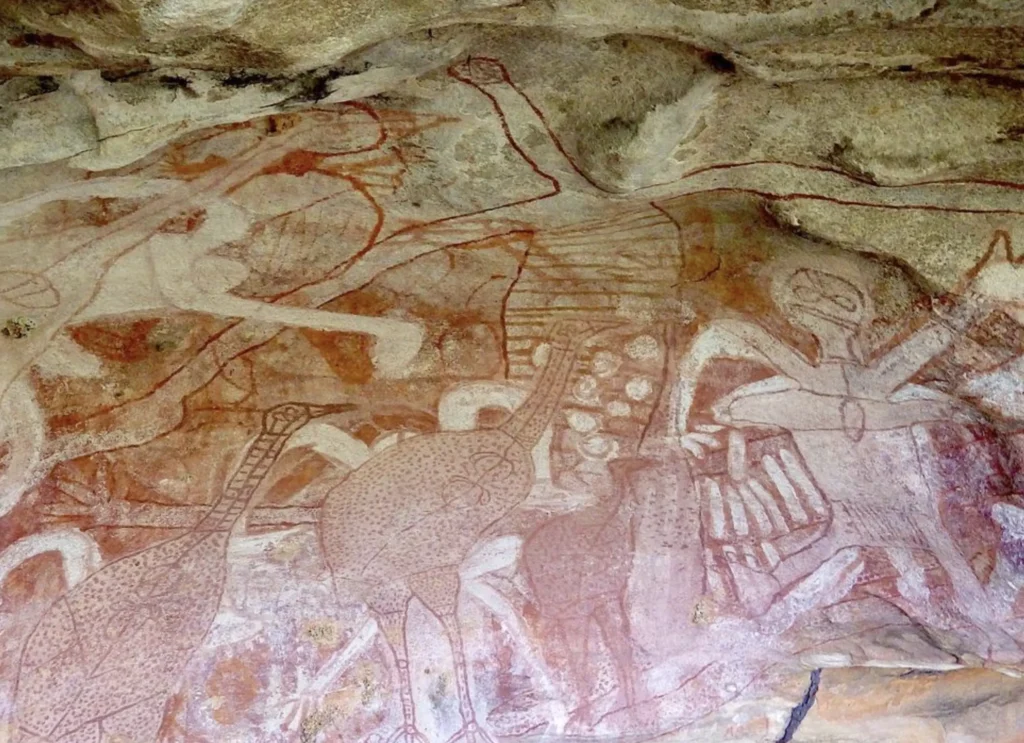
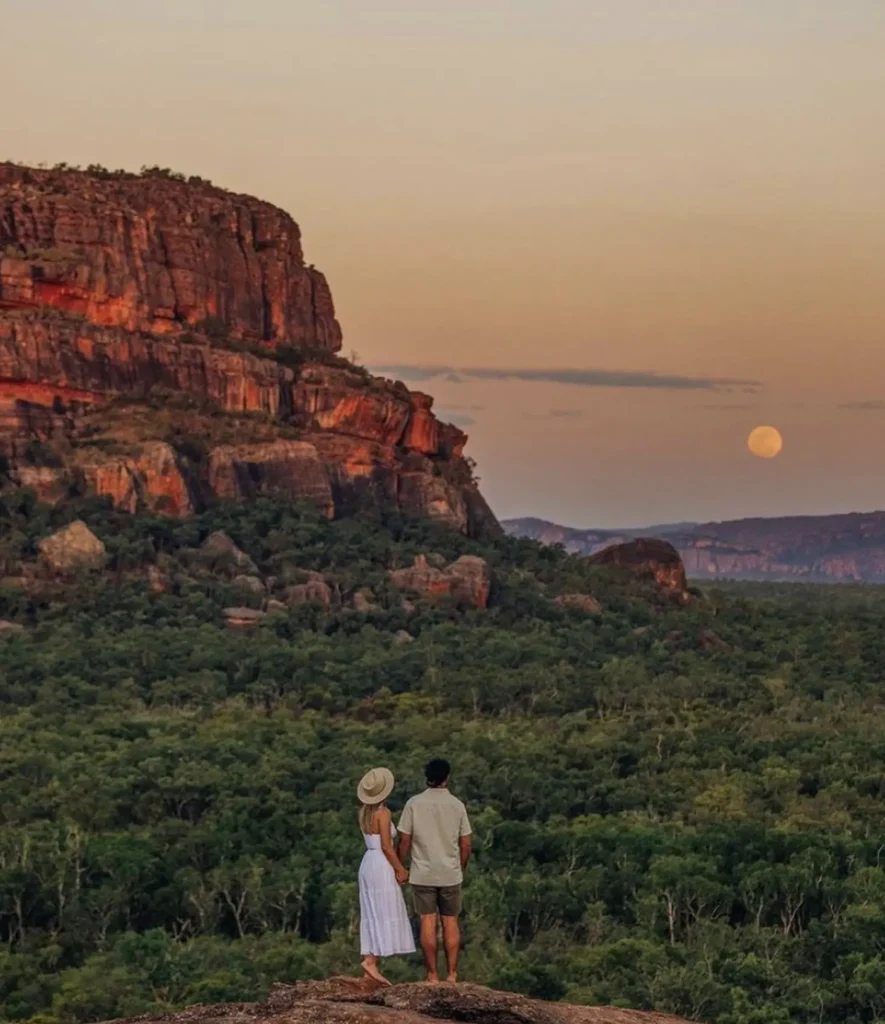
Ubirr, another renowned rock art site in Kakadu, is famous for its extensive and well-preserved paintings. The art here includes depictions of the Tasmanian tiger, now extinct on the mainland, and detailed scenes of traditional hunting and gathering practices. Ubirr is situated in the East Alligator region and provides stunning views over the Nadab floodplain from the Nardab Lookout. Visiting Ubirr at sunset is particularly spectacular, as the floodplain is bathed in golden light, enhancing the beauty of this culturally significant site. Guided 2 day Kakadu tour from Darwin are available, offering deeper insights into the stories and significance behind the artwork.
Cruise Yellow Water Billabong
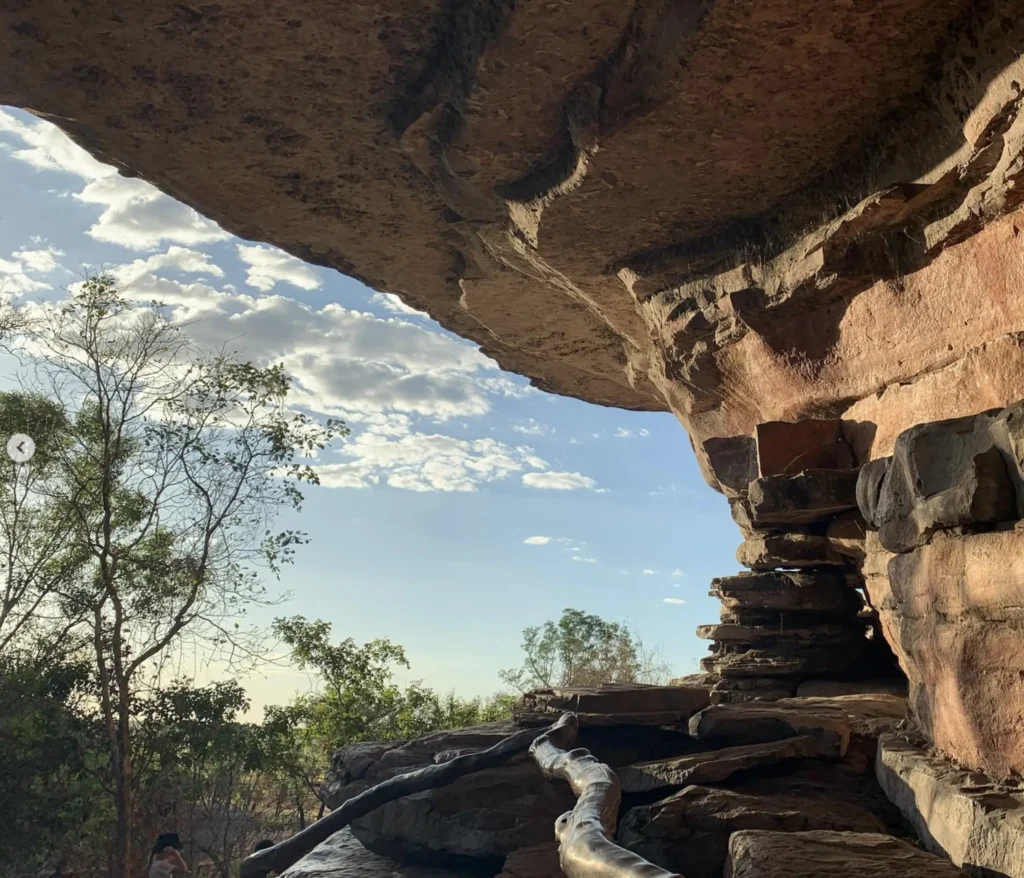
No visit to Kakadu National Park is complete without a cruise on the Yellow Water Billabong. This iconic wetland is teeming with wildlife, including saltwater crocodiles, comb-crested jacanas, and flocks of magpie geese in their natural habitat. A cruise on the billabong offers an intimate look at the park’s diverse ecosystems and provides fantastic opportunities for photography. The guided cruises are available at various times of the day, with early morning and late afternoon being the most popular for wildlife sightings and stunning light conditions.
Trek for a Swim at Motor Car Falls
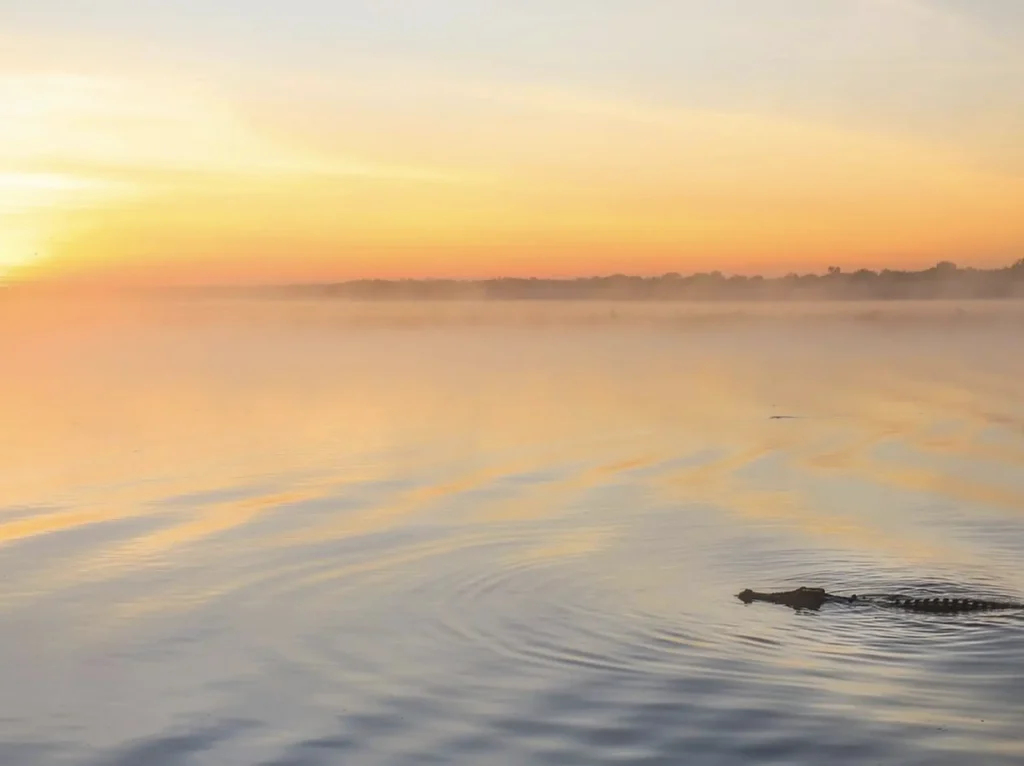
For those who love a bit of adventure combined with a refreshing dip, a trek to Motor Car Falls is highly recommended. The trail to Motor Car Falls is a 1.5-kilometre circular walk through lush monsoon forest, leading to a deep plunge pool at the base of the falls. This water hole is perfect for swimming, especially during the dry season when the water is clear and inviting. The walk itself is an adventure, with opportunities to see native wildlife and unique flora along the way. Motor Car Falls is an excellent destination for keen hikers looking to combine physical activity with a relaxing swim.
Take a Scenic Flight over the Waterfalls
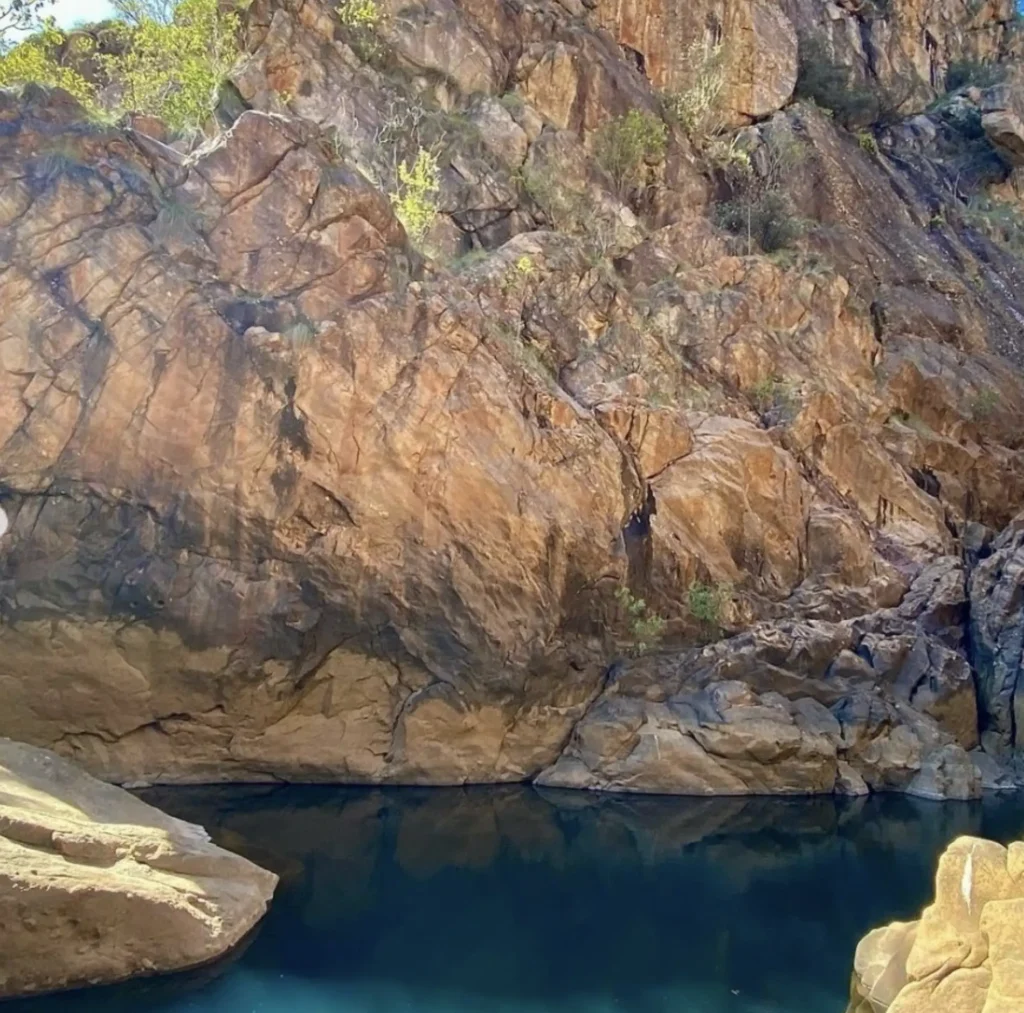
One of the best ways to appreciate the vastness and beauty of Kakadu is from the air. A 60-minute scenic flight offers breathtaking views of the park’s major attractions, including Jim Jim Falls, Twin Falls, and the Arnhem Land escarpment.
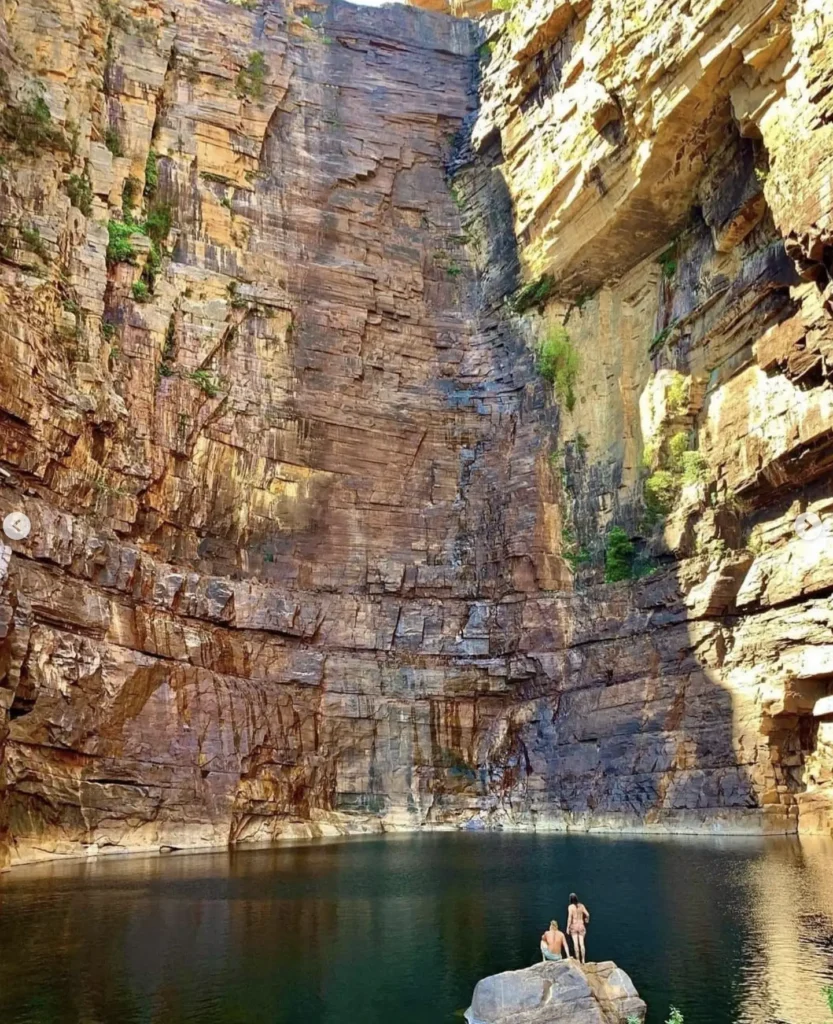
These flights provide a unique perspective, revealing the intricate patterns of the park’s rivers, wetlands, and stone country. Whether you’re interested in photography or simply want to experience Kakadu’s grandeur from above, a scenic flight is a memorable highlight of any visit. The flights operate year-round, but the wet season offers particularly spectacular views of the waterfalls in full flow.
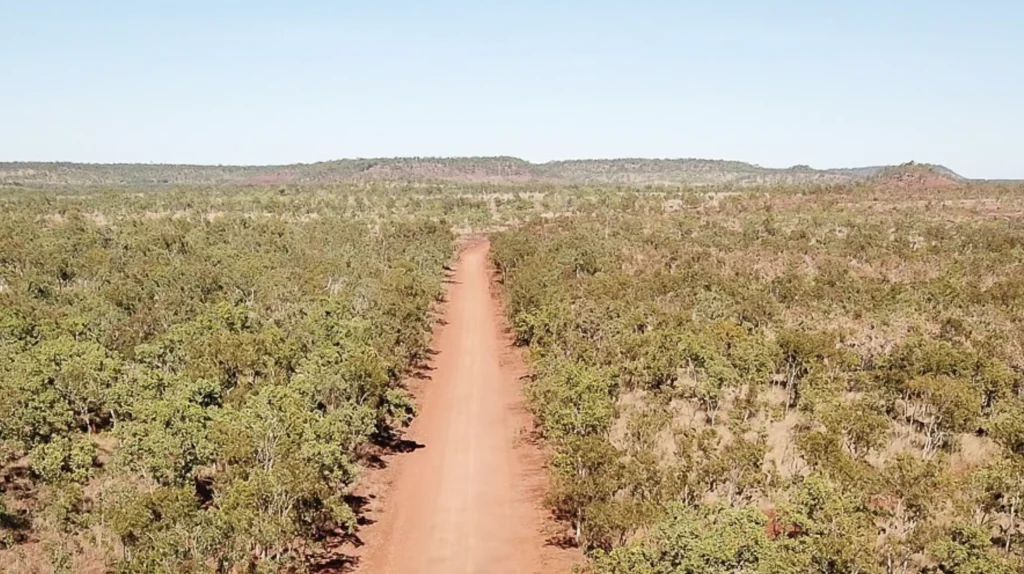
Four-Wheel Drive to Jarrangbarnmi (Koolpin Gorge)
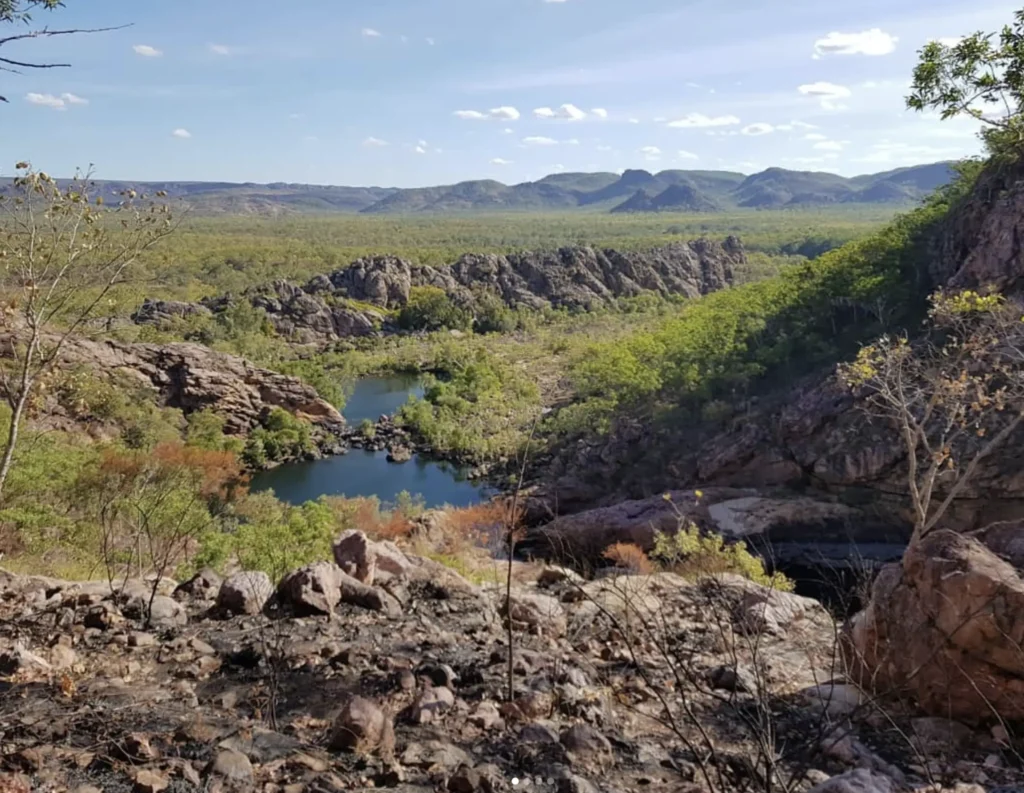
For those with a sense of adventure, a four-wheel drive to Jarrangbarnmi, also known as Koolpin Gorge, is a must. This remote area of Kakadu is accessible only with a permit and a suitable vehicle, ensuring a secluded and pristine environment. The gorge features stunning sandstone outcrops, deep plunge pools, and unique flora and fauna.
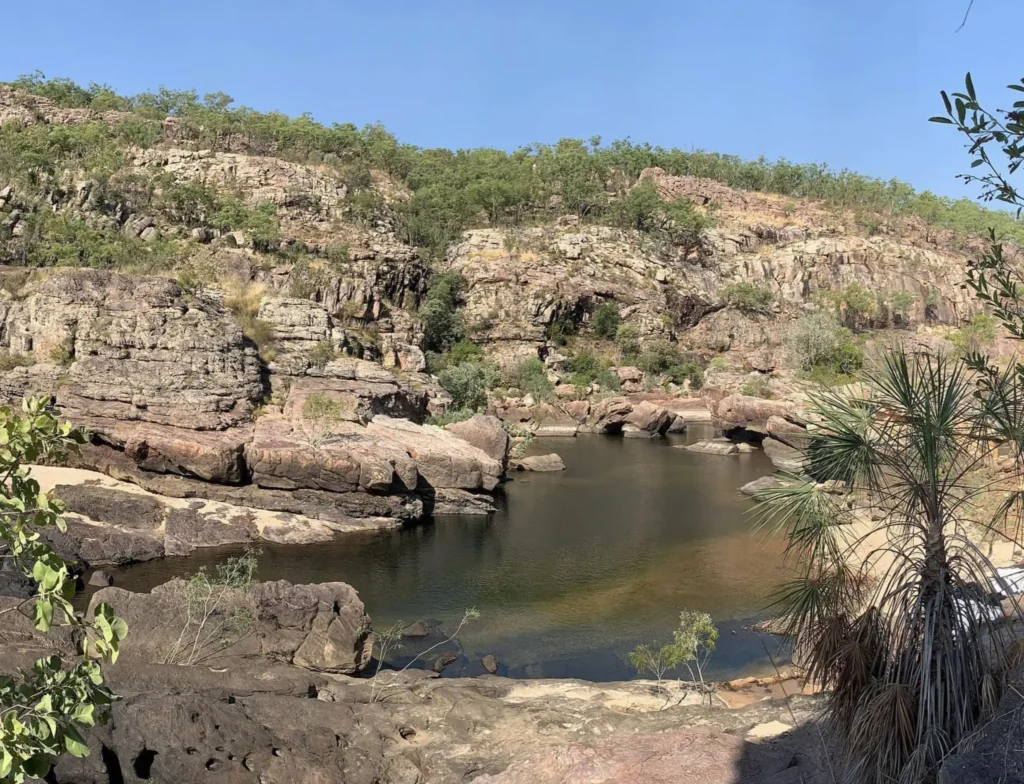
Koolpin Gorge is not just a natural beauty spot; it is also a place of cultural significance for the Aboriginal owners. Visitors are reminded to respect the sacred sites and the living culture of the traditional owners. This destination is perfect for those seeking solitude and an intimate connection with nature.
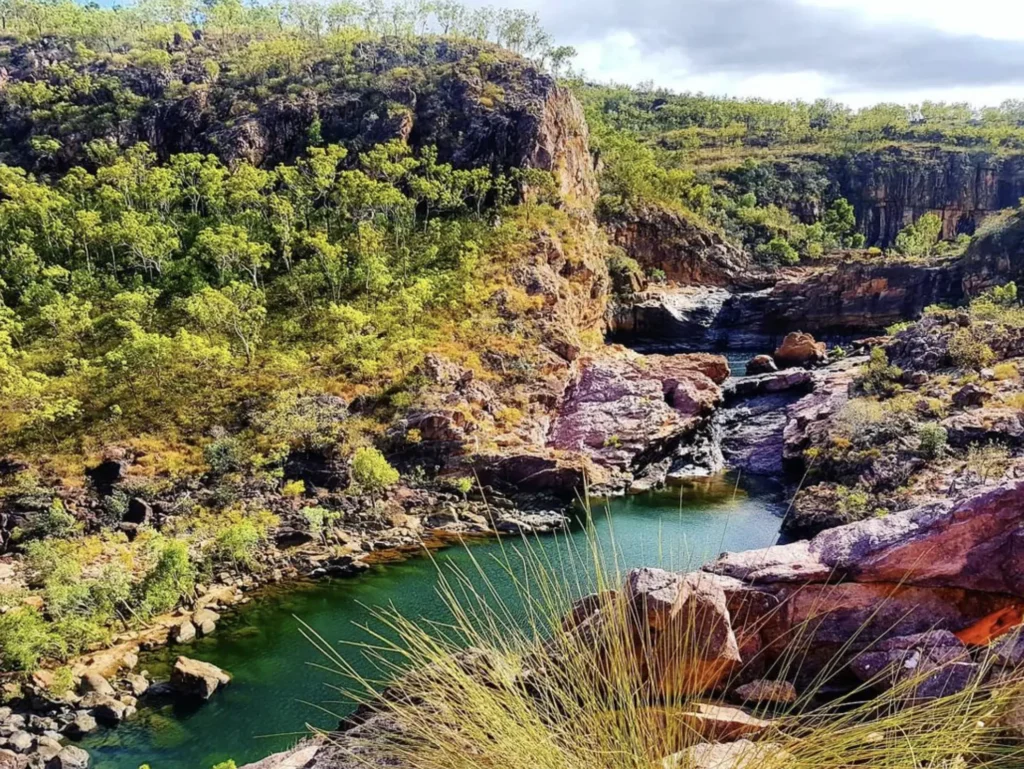
Jump into Clear Plunge Pools at Maguk
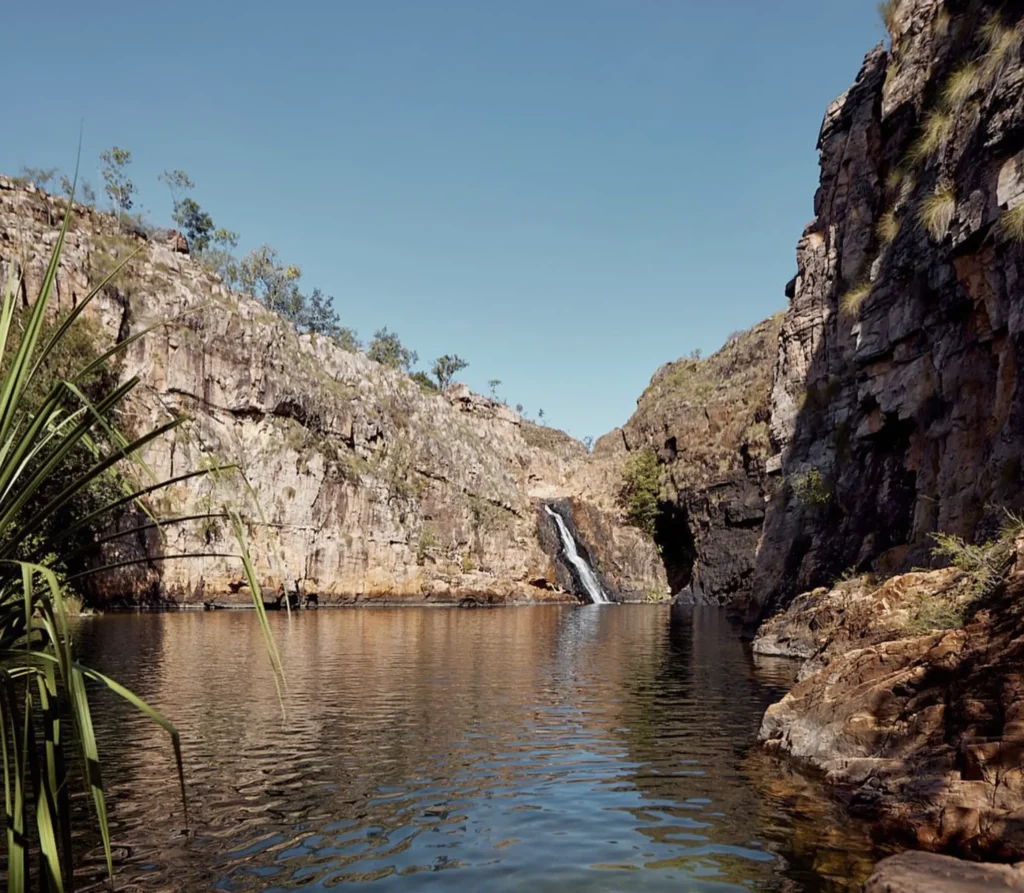
Maguk, formerly known as Barramundi Gorge, is a beautiful waterfall and swimming hole accessible via a scenic walk through monsoon forest. The trail to Maguk is relatively easy, making it suitable for families and visitors of all fitness levels. Once you reach the falls, you’ll be greeted by crystal-clear plunge pools ideal for swimming. The area is surrounded by lush vegetation and rugged cliffs, providing a serene and picturesque setting. Maguk is especially popular during the dry season when the water is at its clearest and most inviting.
Bushwalk in Kakadu
Kakadu offers a wide variety of bushwalking trails, catering to all levels of fitness and experience. From short, easy walks to challenging multi-day hikes, there is something for everyone. Bushwalking in Kakadu allows you to explore its diverse landscapes, from dense tropical forests to open savannah woodlands. Some popular trails include the Barrk Sandstone Walk, which offers panoramic views and passes through ancient rock art sites, and the Boulder Creek Walk, known for its scenic beauty and opportunities to spot wildlife. Bushwalking provides an immersive way to experience Kakadu’s natural wonders and rich biodiversity.
Bird Watch at Mamukala Wetlands
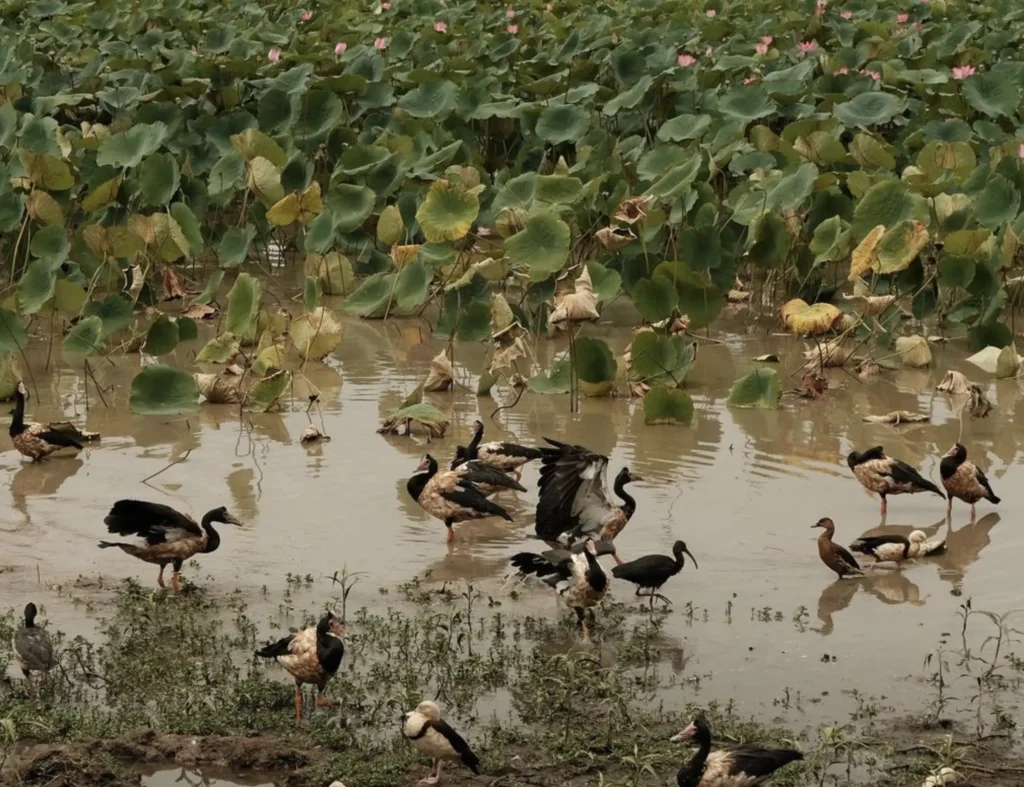
The Mamukala Wetlands are a prime spot for bird watching, particularly during the dry season when thousands of birds congregate around the shrinking waterholes. A well-placed observation platform allows visitors to watch the flocks of magpie geese, egrets, and other waterbirds without disturbing them. The wetlands are not only a haven for birds but also offer a tranquil setting for visitors to enjoy the beauty of Kakadu’s ecosystems. Interpretive signs provide information about the different species you might see, making it an educational and enjoyable experience for all ages.
Learn about Kakadu at Its Visitor Centres
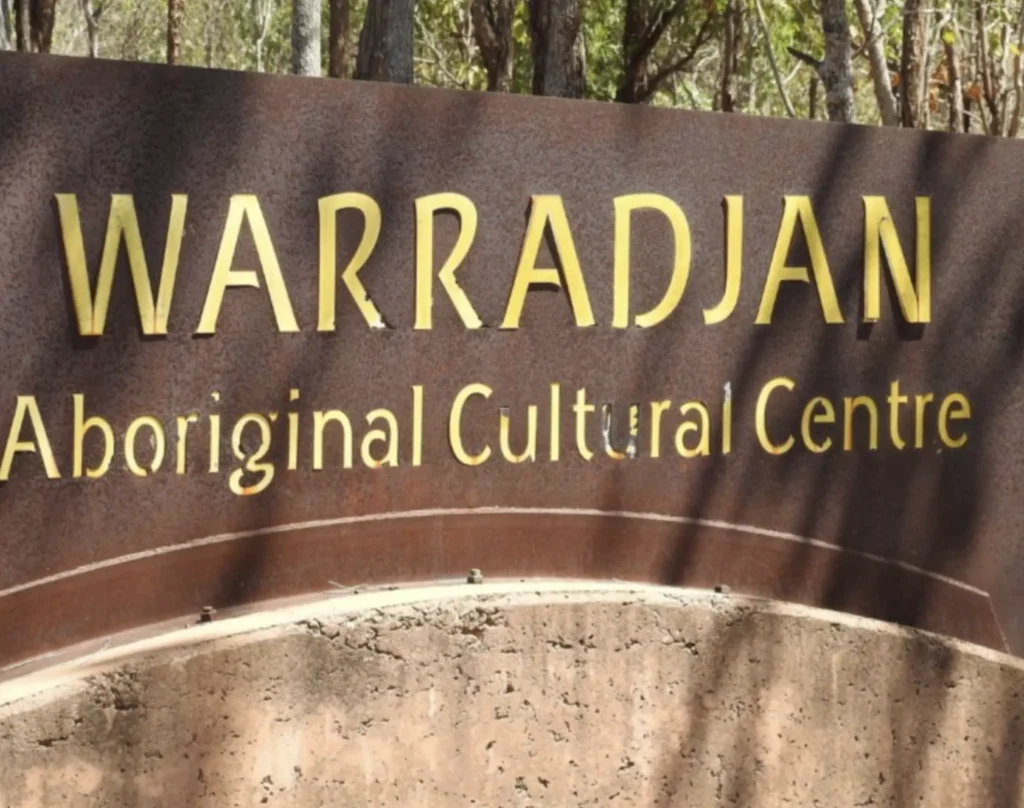
Kakadu National Park has several visitor centres that are excellent starting points for your journey. The Warradjan Cultural Centre near Cooinda offers insights into the life and traditions of the Aboriginal people of Kakadu. Exhibits include artifacts, interactive displays, and a wealth of information about the park’s cultural significance. The Bowali Visitor Centre near Jabiru features informative displays on Kakadu’s natural and cultural heritage, as well as a gallery showcasing local Indigenous art. These centres provide valuable context and deepen your understanding of the park’s living culture and the ongoing connection of its traditional owners to the land.
Watch the Sunset at Nawurlandja Lookout
Nawurlandja Lookout offers one of the most spectacular sunset views in Kakadu. The lookout provides sweeping vistas of Anbangbang Billabong, Nourlangie Rock, and the surrounding landscape. As the sun sets, the sky transforms into a palette of vibrant colors, casting a magical glow over the scene. The walk to the lookout is short and easy, making it accessible for most visitors. Watching the sunset at Nawurlandja is a peaceful and awe-inspiring way to end a day of exploration in Kakadu.
Admire Kakadu Rock Art at Ubirr
The rock art at Ubirr is among the most famous and well-preserved in Australia. The artworks, which date back thousands of years, depict a wide variety of subjects, from animals and humans to mythical beings and ancestral spirits. Ubirr’s rock art provides a window into the lives and beliefs of the Aboriginal people who have lived in Kakadu for millennia. The site also offers stunning views over the Nadab floodplain, especially beautiful at sunset. Visiting Ubirr is a journey into the deep cultural heritage of Kakadu and an opportunity to appreciate the artistic achievements of its traditional owners.
See the Famous Burrungkuy (Nourlangie) Rock Art
Burrungkuy, also known as Nourlangie Rock, is another key site for rock art in Kakadu. The paintings here include depictions of Namarrgon, the Lightning Man, and other significant figures in Aboriginal mythology. The art at Burrungkuy offers insights into the spiritual and everyday lives of the Indigenous people. The site is well-signposted, with informative panels explaining the significance of the artworks. A visit to Burrungkuy not only enhances your understanding of Aboriginal culture but also provides stunning views of the surrounding landscape.
Check Out Jim Jim Falls and Twin Falls
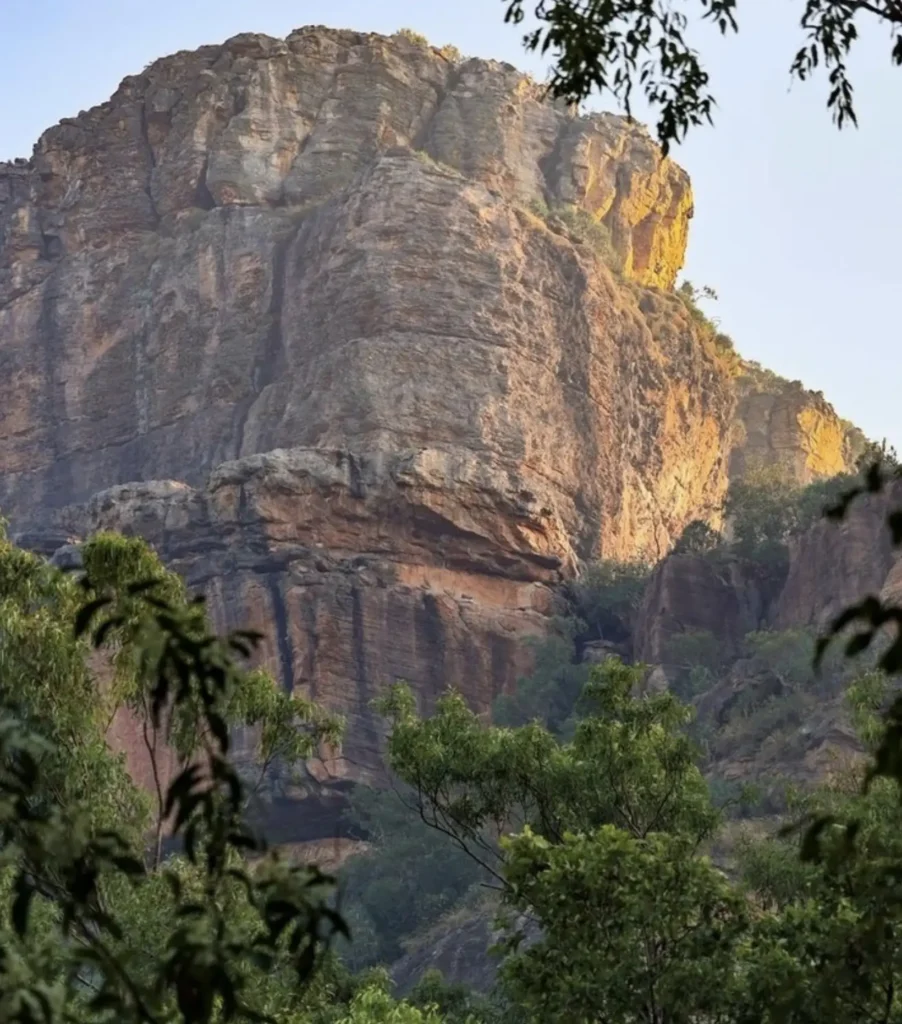
Jim Jim Falls and Twin Falls are two of Kakadu’s most spectacular natural attractions. These towering waterfalls are best visited during the dry season when the access roads are open, and the falls are at their most accessible. Jim Jim Falls features a dramatic drop into a deep plunge pool, surrounded by towering cliffs. Twin Falls, accessible by a boat and boardwalk, offers a unique perspective and a serene swimming area. Both falls are surrounded by lush vegetation and provide excellent opportunities for photography, swimming, and exploration.
Take One of the Yurmikmik Walks
The Yurmikmik area in Kakadu offers several walking trails that cater to different levels of fitness and experience. These trails take you through diverse landscapes, including monsoon forests, rocky escarpments, and open woodlands. Popular trails include the Motor Car Falls Walk, the Boulder Creek Walk, and the Kurrundie Creek Walk. Each trail offers unique sights, such as waterfalls, swimming holes, and panoramic views. The Yurmikmik walks are well-marked and provide an excellent way to experience Kakadu’s natural beauty.
Kakadu Full Moon Feast
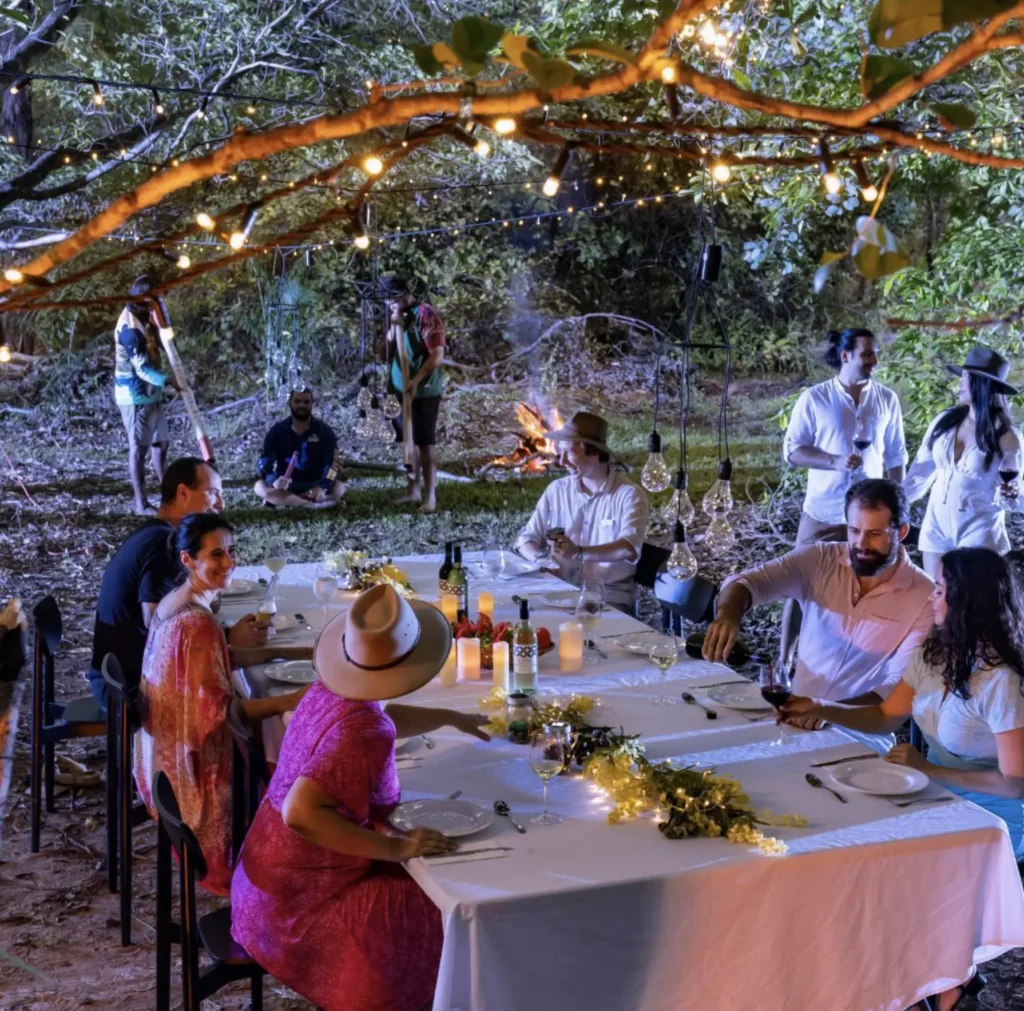
One of the unique cultural experiences in Kakadu National Park is the Kakadu Full Moon Feast. Held under the full moon, this special event showcases the rich culinary heritage of the region, with a focus on locally sourced ingredients and traditional bush tucker. The feast is typically accompanied by traditional music and dance performances, providing a deep dive into the Indigenous culture of the area. Visitors can enjoy a gourmet dinner prepared by renowned chefs, featuring dishes that highlight the flavors of Kakadu. The Full Moon Feast is not only a culinary delight but also a cultural immersion, offering a memorable evening under the stars in one of Australia’s most beautiful settings.
Scenic Flights
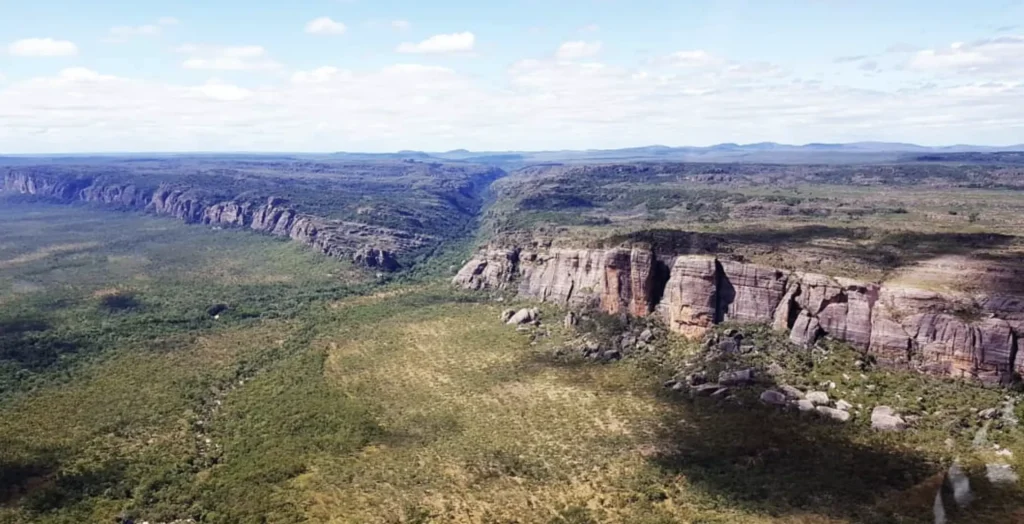
Scenic flights over Kakadu National Park offer a breathtaking perspective of this vast and diverse landscape. From the air, you can appreciate the sheer scale and beauty of Kakadu’s natural features, including its dramatic escarpments, winding rivers, and expansive wetlands. Flights typically cover major attractions such as Jim Jim Falls, Twin Falls, and the Arnhem Land Plateau, providing a unique view that ground tours cannot offer. Whether you’re a photography enthusiast or simply looking for an unforgettable experience, a scenic flight is a must-do activity. These flights are available year-round, but the wet season offers particularly spectacular views of the waterfalls in full flow, making it an ideal time for aerial sightseeing.
Practicalities
Visiting Kakadu National Park requires some practical planning to ensure a smooth and enjoyable trip. Key considerations include the cost of entry, transportation, and accommodation. The park pass, required for entry, costs $40 per adult for a 7-day pass. This fee helps maintain the park and its facilities, ensuring that Kakadu remains a pristine and welcoming environment for all visitors.
Cost
The cost of visiting Kakadu extends beyond the park pass. Guided tours, cruises, and scenic flights are popular activities that can add to your expenses but are well worth the investment for the unique experiences they offer. It’s also important to budget for fuel if you’re driving, as well as meals and accommodations. Many of the park’s attractions are remote, so planning ahead and ensuring you have enough resources for your trip is crucial.
Vehicle
Having a suitable vehicle is essential for exploring Kakadu, especially if you plan to visit more remote areas like Jarrangbarnmi (Koolpin Gorge). A four-wheel drive is recommended to access these locations safely. During the wet season, some roads may be closed or only passable with a high-clearance vehicle, so it’s important to check current road conditions and park alerts before setting out. Renting a four-wheel drive vehicle can provide the flexibility and capability needed to fully explore the park’s diverse landscapes.
Food
Bringing sufficient food and water is important, especially if you plan to camp or visit remote areas where amenities are limited. Many of the park’s campgrounds have basic facilities, but it’s wise to carry extra supplies. There are also several cafes and restaurants within the park, particularly near major attractions like the Yellow Water Billabong and visitor centres. These establishments offer a range of options, from quick snacks to full meals, allowing you to sample local cuisine without having to leave the park.
Where to Stay in Kakadu
Kakadu offers a variety of accommodation options to suit different preferences and budgets. From camping spots and caravan parks to lodges and hotels, there’s something for everyone.
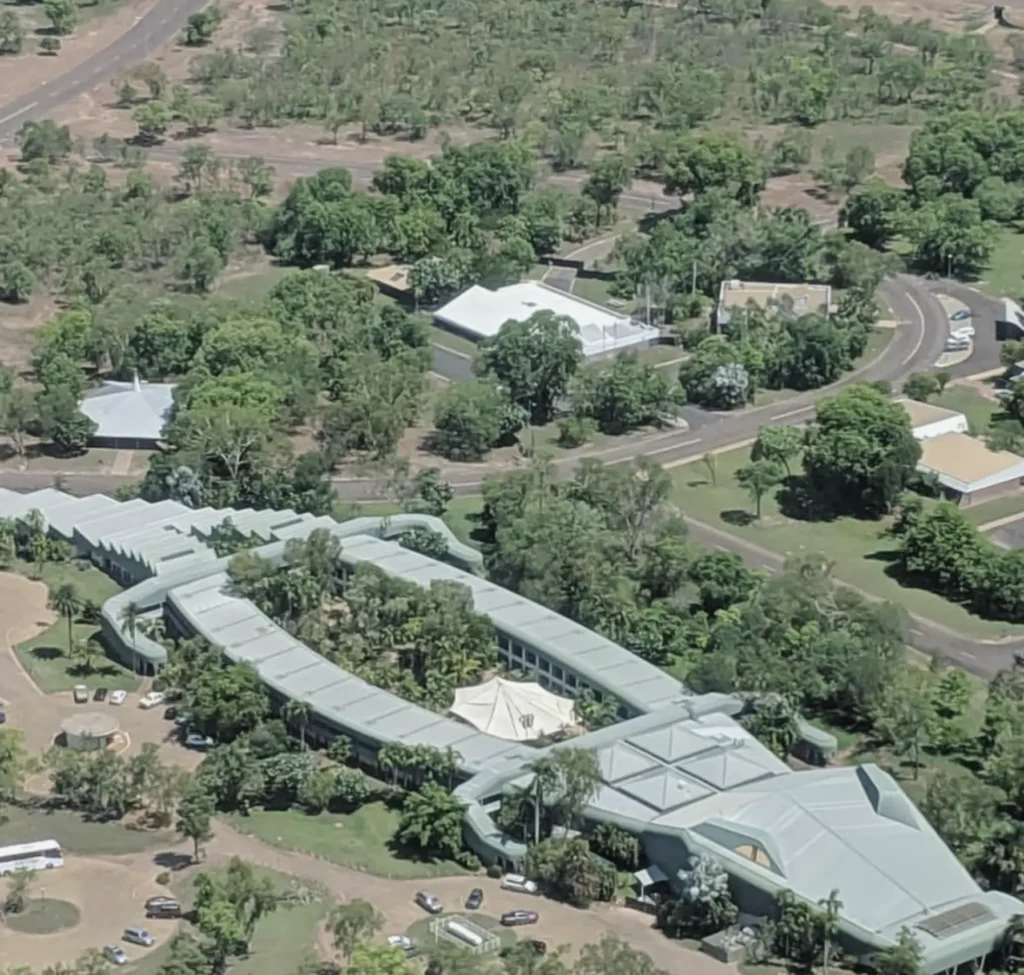
- Mercure Kakadu Crocodile Hotel: This unique hotel, shaped like a crocodile, is located in Jabiru and offers comfortable rooms and a range of amenities, including a pool and restaurant.
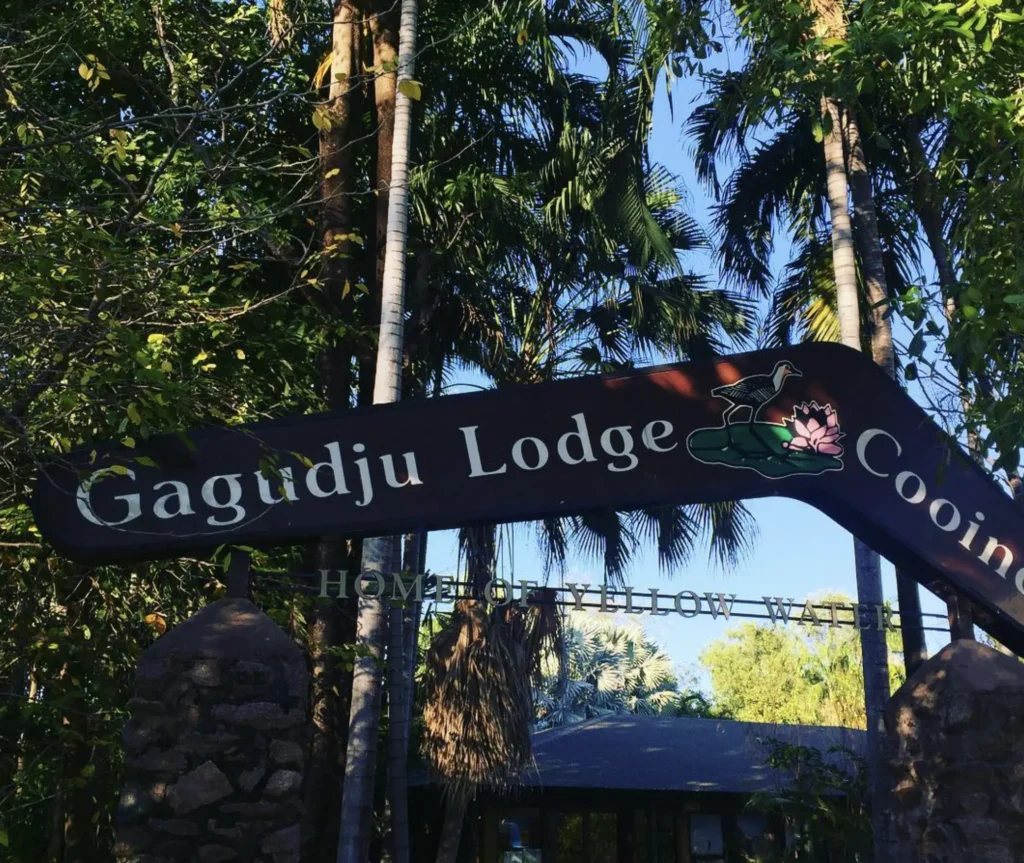
- Cooinda Lodge: Situated near Yellow Water Billabong, this lodge provides comfortable accommodations and easy access to boat ramps for cruising the billabong.
- Caravan Parks: There are several well-equipped caravan parks within Kakadu, providing facilities for campers and caravanners.
- Camping Spots: For a more immersive experience, consider camping at one of the many designated sites within the park. These spots offer basic amenities and are located near major attractions, allowing you to wake up to the sounds of nature and start your day with a hike or swim.
Indigenous Culture and History
Kakadu National Park is not just a natural wonderland; it is also a place of deep cultural significance for its Aboriginal owners. The park is a living cultural landscape, with ongoing connections to the land that are maintained through traditional practices and stewardship. Visitors to Kakadu have the opportunity to learn about this rich cultural heritage through guided tours, visitor centres, and cultural events.
Aboriginal Rock Art Sites
Kakadu is home to some of the most famous rock art sites in the world, including Ubirr, Nourlangie, and Nanguluwur. These sites contain thousands of paintings that depict a wide variety of subjects, from animals and human figures to mythical beings and ancestral spirits. The rock art provides invaluable insights into the lives and beliefs of the Aboriginal people who have lived in this region for thousands of years. Guided tours of these sites are highly recommended, as they offer a deeper understanding of the cultural significance and stories behind the art.
Living Culture
The Indigenous people of Kakadu maintain a living culture that is closely tied to the land. Traditional practices such as hunting, fishing, and gathering are still carried out, and the park’s management practices incorporate traditional knowledge and stewardship. Visitors can learn about these practices and the ongoing cultural connections to the land through educational programs and guided tours. Events like the Kakadu Full Moon Feast also provide opportunities to experience the cultural heritage of the region firsthand.
Exploring Beyond the Waterfalls
While Kakadu’s waterfalls are undoubtedly spectacular, the park has much more to offer. From wetlands teeming with wildlife to ancient rock formations and vibrant cultural sites, Kakadu’s diversity is astounding.
Bird Watching
Kakadu is a birdwatcher’s paradise, home to more than a third of Australia’s bird species. The park’s wetlands, such as Mamukala and Yellow Water Billabong, are prime spots for bird watching, especially during the dry season. Visitors can see a wide variety of species, including magpie geese, brolgas, and the strikingly beautiful rainbow bee-eater. Observation platforms and guided bird-watching tours are available, providing excellent opportunities to spot and photograph these avian wonders.
Bushwalking and Hiking Trails
The park offers a range of bushwalking and hiking trails that cater to all levels of fitness and experience. Trails like the Barrk Sandstone Walk and the Yurmikmik walks take visitors through diverse landscapes, from monsoon forests to rocky escarpments. These trails provide an immersive experience of Kakadu’s natural beauty, with opportunities to see wildlife, ancient rock art, and stunning viewpoints. Proper preparation is essential, as some trails can be challenging and require good fitness levels.
Cultural Centres
The Warradjan Cultural Centre and Bowali Visitor Centre are excellent starting points for any visit to Kakadu. These centres provide a wealth of information about the park’s cultural and natural heritage, including exhibits on Aboriginal history, traditional practices, and the park’s diverse ecosystems. Interactive displays, artifacts, and knowledgeable staff make these centres invaluable resources for understanding the significance of Kakadu.
Conclusion
Kakadu National Park is a place of unparalleled beauty and cultural significance. From its ancient rock art and diverse wildlife to its stunning landscapes and rich Aboriginal heritage, Kakadu offers an unforgettable experience for all who visit. Whether you’re exploring on foot, by boat, or from the air, the park’s natural and cultural wonders are sure to leave a lasting impression. Plan your visit to Kakadu today and discover the magic of this extraordinary part of Australia.
Frequently Asked Questions
How can I get to Kakadu National Park?
You can reach Kakadu National Park by driving from Darwin, which takes about three hours. There are also bus services and guided tours available from Darwin and Katherine.
When is the best time to visit Kakadu?
The best time to visit Kakadu is during the dry season (May to October) when the weather is mild, and most of the park’s attractions are accessible. The wet season (November to April) offers lush landscapes and dramatic waterfalls but can limit access to some areas.
Are there guided tours available at Kakadu?
Yes, there are numerous guided tours available, including cultural tours, wildlife cruises, and scenic flights. These tours provide expert insights and enhance your understanding of the park’s natural and cultural significance.
Can I camp in Kakadu National Park?
Yes, there are several designated camping spots within Kakadu National Park, offering basic amenities and access to major attractions. Camping is a great way to immerse yourself in the natural beauty of the park.
What wildlife can I see in Kakadu?
Kakadu is home to a wide variety of wildlife, including saltwater crocodiles, kangaroos, wallabies, and over 300 species of birds. The park’s diverse ecosystems provide excellent opportunities for wildlife viewing and bird watching.