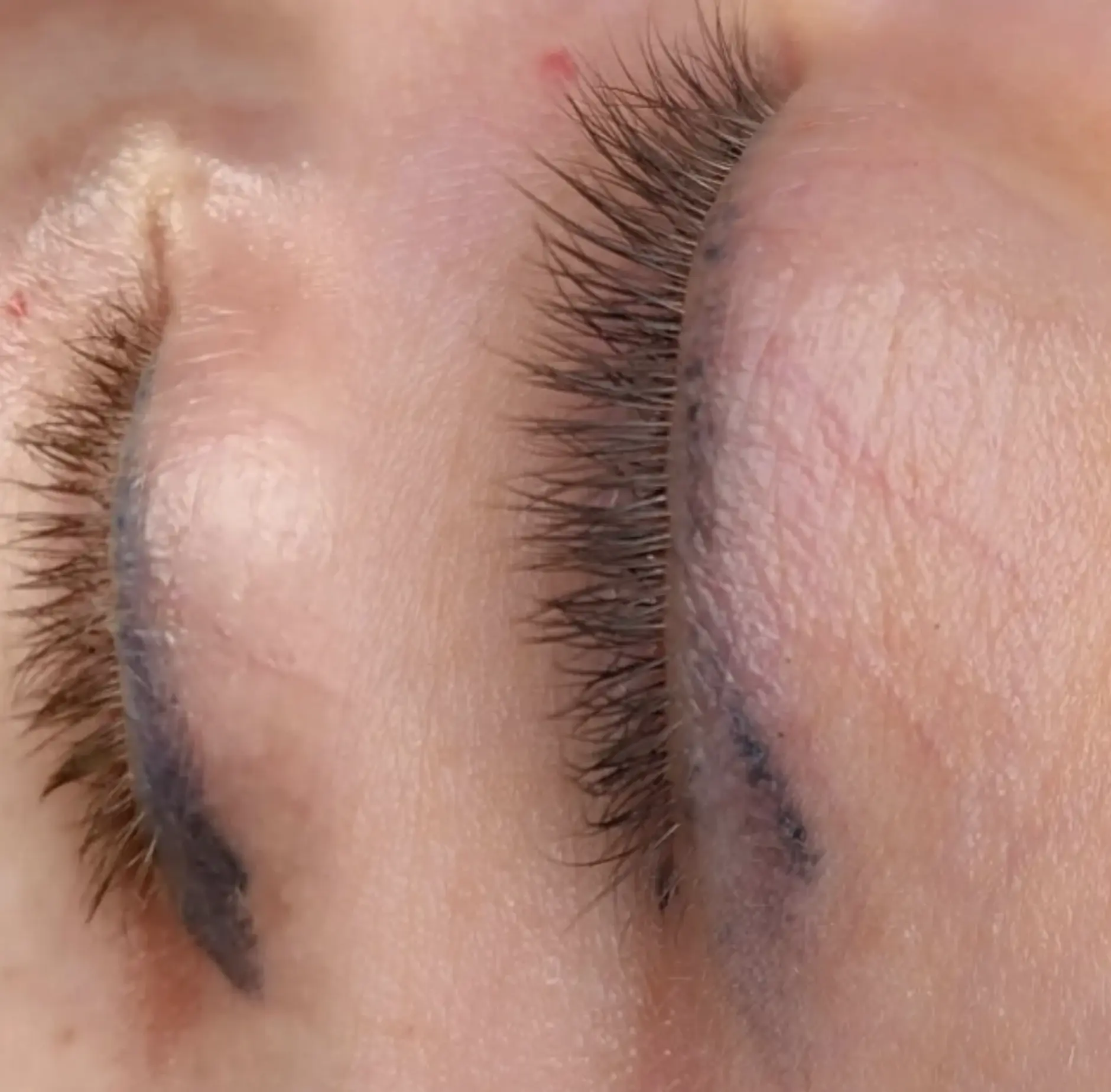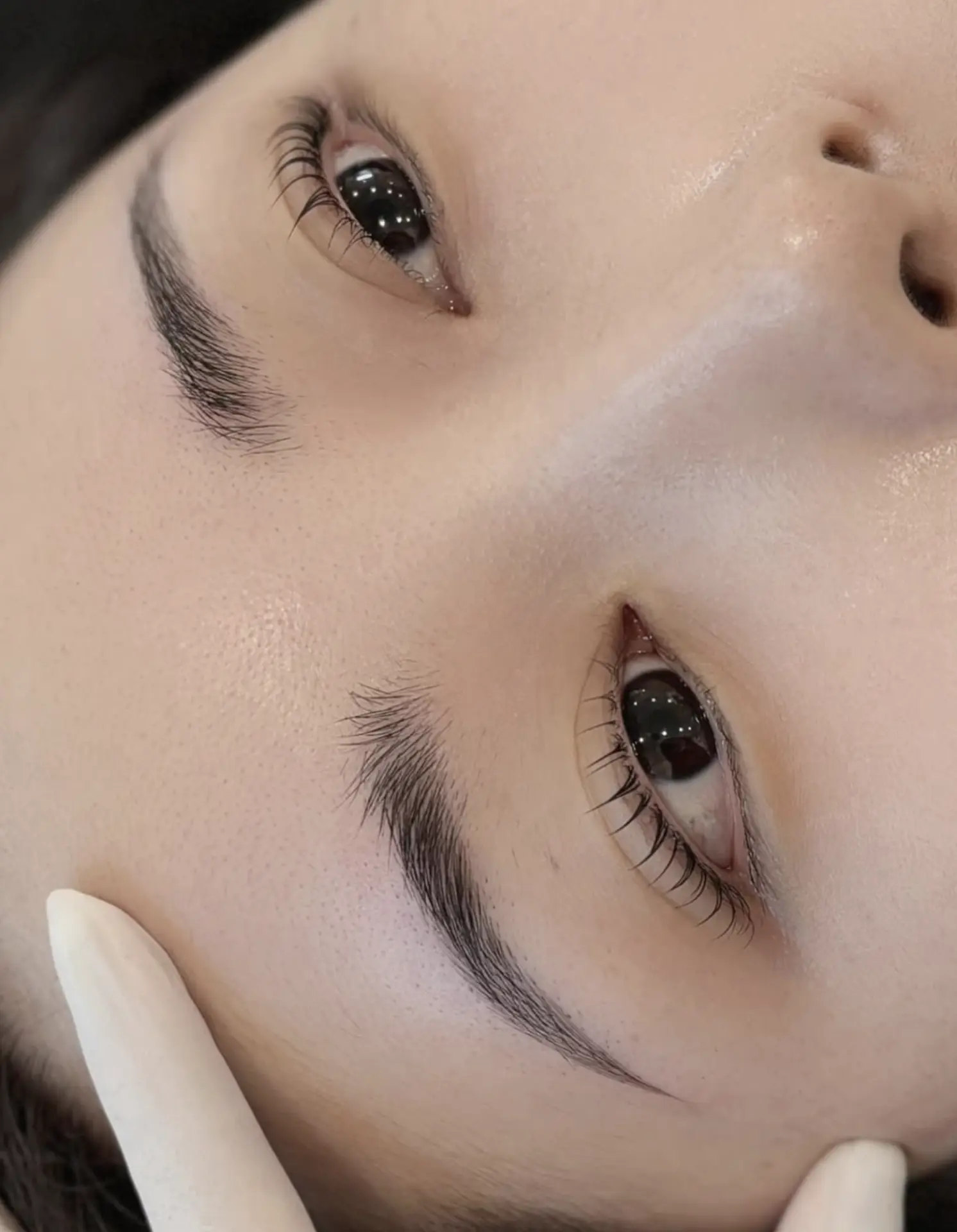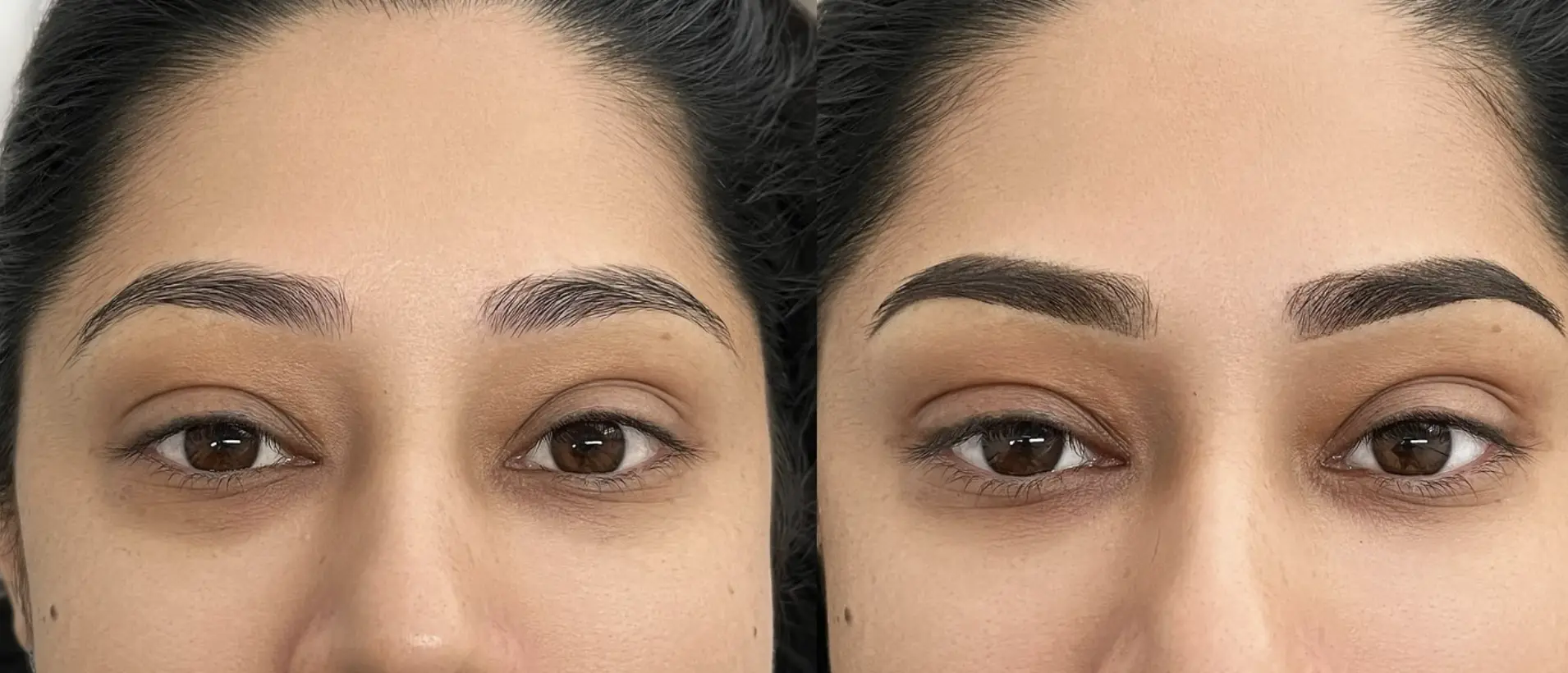
If you’ve just had your eyebrow microblading procedure or you’re considering it, you’ve likely wondered: “Is coconut oil good for microblading?” And fair enough. With coconut oil popping up in everything from hair masks to baking hacks, it’s easy to assume it’s a universal fix. But when it comes to healing microblading eyebrows, things get a bit trickier.
Microblading might look effortless once healed, but what happens in those first two weeks can make or break your final result.
Let’s break down the truth — based on the microblading process, actual healing outcomes, and what truly supports proper healing.
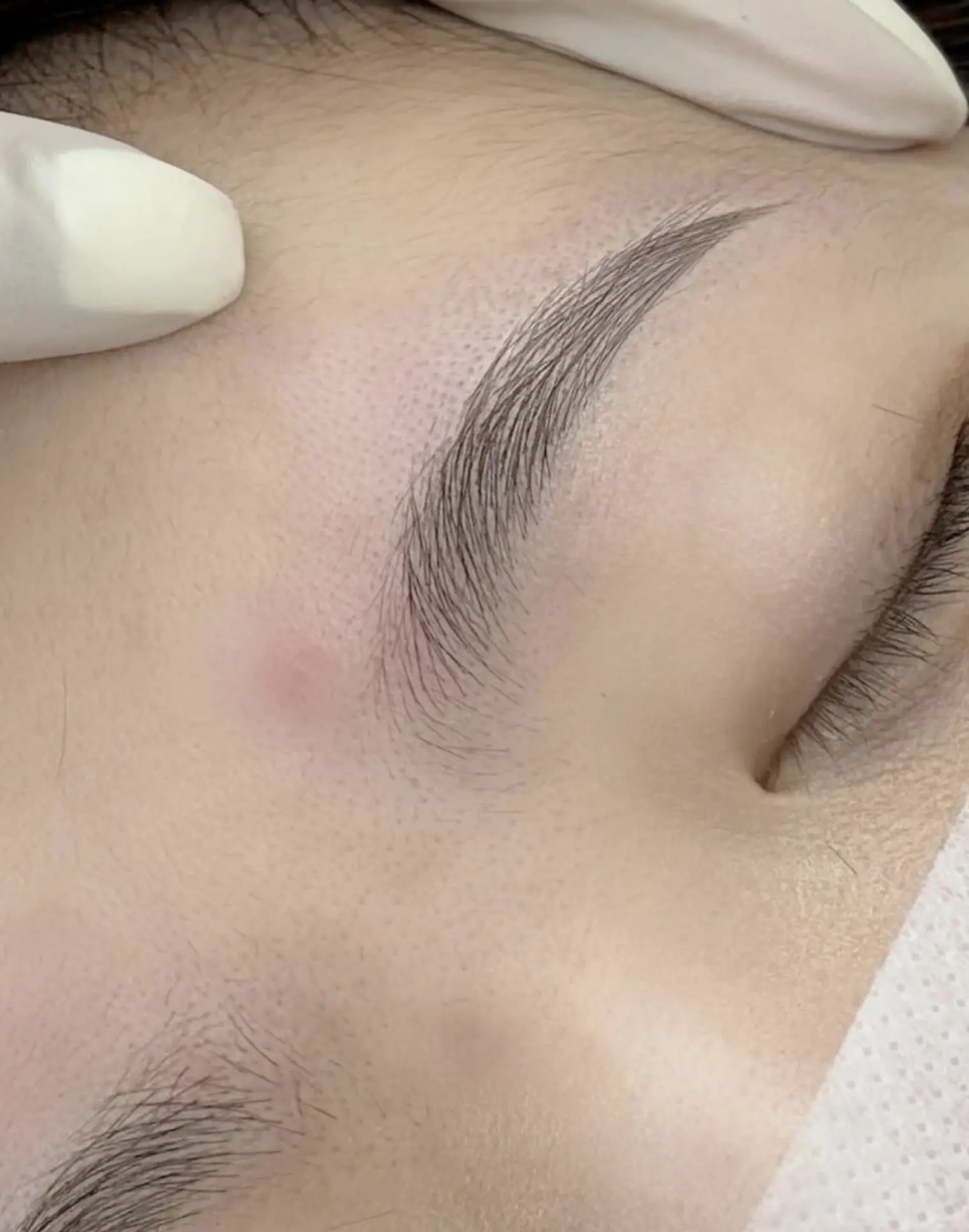
What Your Skin Does After Microblading
Microblading isn’t just a tint. It’s a cosmetic tattoo where hair-like strokes are etched into the layer of skin using ultra-fine needles — usually a 1-point needle or a set of 10-12 little disposable needles. That means you’re essentially walking out with a fresh tattoo on your face.
Here’s how the microblading healing process typically plays out:
| Healing Stage | What to Expect | Duration |
|---|---|---|
| Day of Treatment | Brows look dark, a bit swollen. Tightness or tingling. | 1 day |
| Days After Treatment (1–3) | Skin begins to close. Avoid direct sun exposure, contact with water, and makeup. | 2–3 days |
| Initial Healing Phase (3–7) | Brows may scab or flake. Avoid scratching. | 3–7 days |
| Brows During Healing (7–10) | Excess pigment sheds; strokes may appear faded. | 7–10 days |
| Complete Healing Process | Pigment resurfaces; true colour begins to show. | 6–8 weeks |
| Touch Up Appointment | If needed, we build on featherweight strokes or correct blurred strokes. | Week 6–8 |
This healing isn’t just cosmetic — your skin is regenerating. The goal is to support effective healing, not overload it with the wrong products.
At our Cosmetic Tattoo Studio Melbourne, we see firsthand how the right aftercare can turn a good set of brows into a great one — and prevent those avoidable touch-ups down the track.
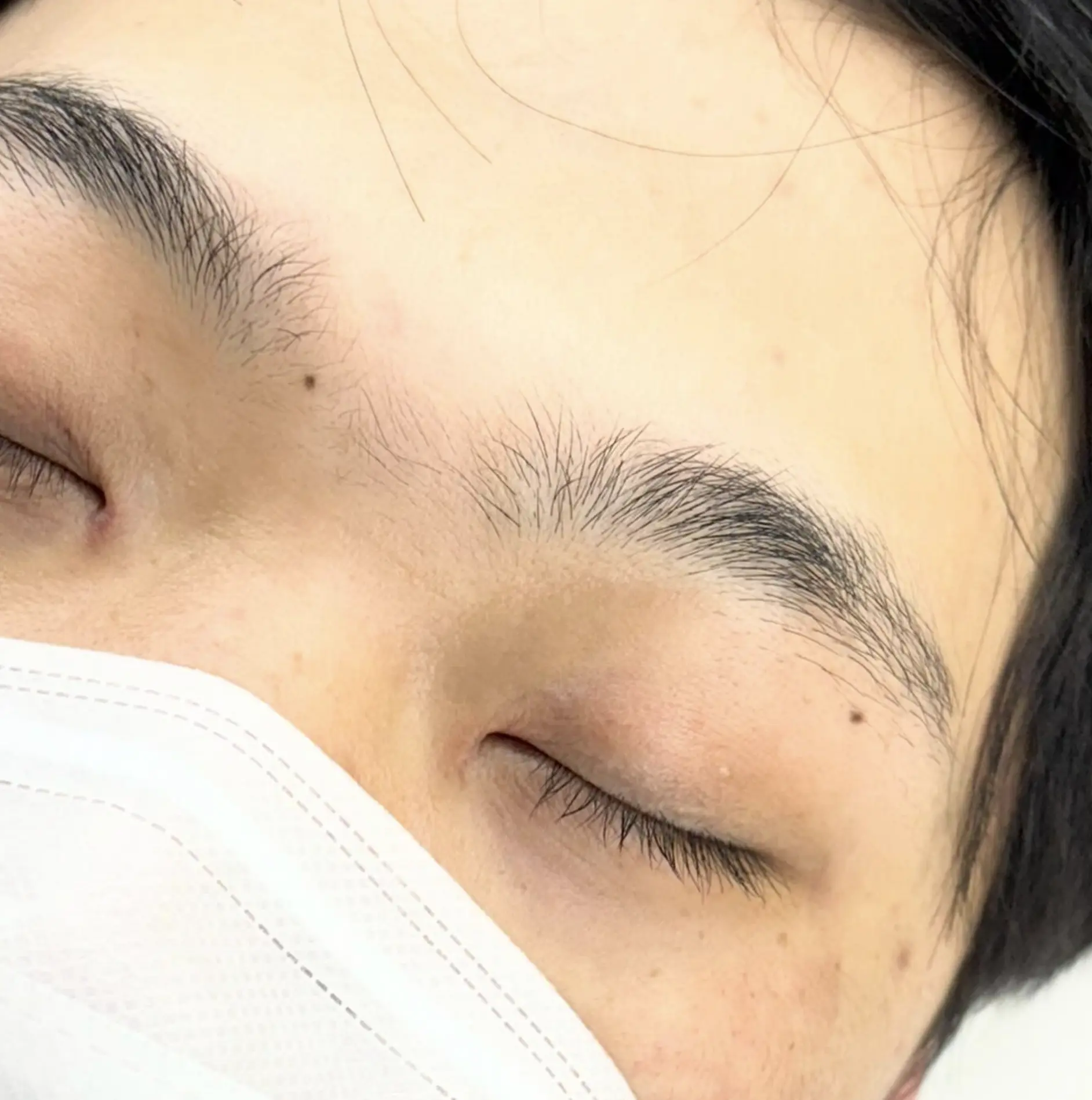
Coconut Oil: Miracle or Brow Mistake?
Coconut oil contains lauric acid, known for its antibacterial and anti-inflammatory benefits. It’s moisturising, widely available, and has a reputation for being “clean” — but in this context, that word doesn’t always mean “safe.”
Let’s look at the pros and cons.
Pros:
- Antibacterial properties (thanks, lauric acid)
- Natural origin, free from synthetic additives
- Inexpensive and easy to find
Cons:
- Comedogenic rating: 4/5 — likely to clog pores
- Creates an occlusive protective layer that can trap heat and excess moisture
- Can disrupt true colour development during the healing period
- Risk of pigment discolouration or loss of pigment
- Inconsistent results — especially with oily skin or in humid climates (looking at you, Melbourne summer)
So, while it can be okay in small amounts after the initial healing period, it’s not ideal during the post-procedure days.
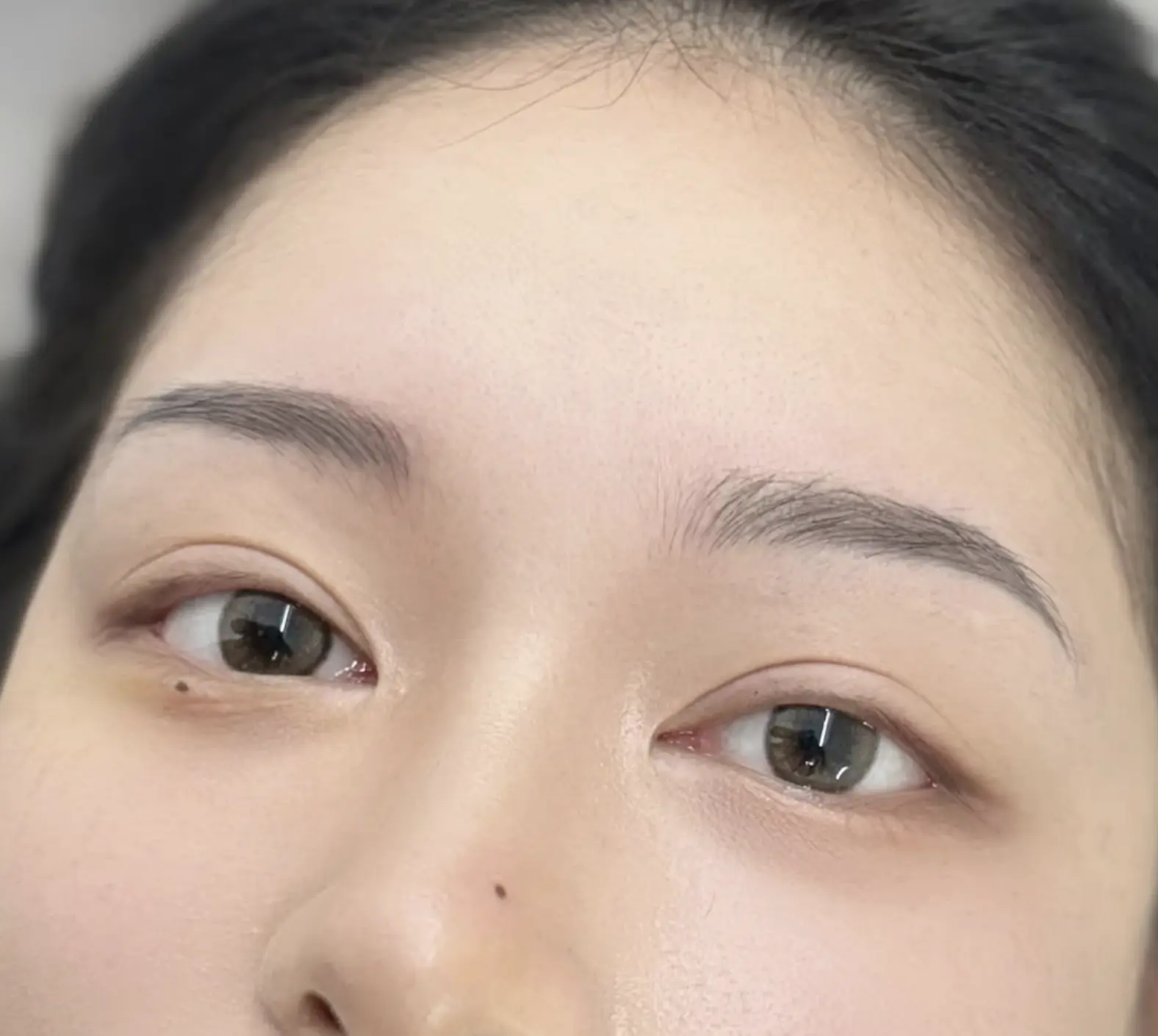
Ditch the Coconut Oil
Coconut oil might be fine for your hair, body scrubs, or baking. But when it comes to healing your eyebrow, miracle worker — it’s not your best bet.
Trust the aftercare instructions, listen to your artist, and opt for alternative aftercare products that support your unique skin type and healing process. The goal? True colour, clean strokes, and natural brow hairs that look like you were born with them.
Alternative
Here’s what I recommend (and keep in my studio kit) for proper aftercare and complete healing:
Natural Oils (Used Sparingly After the first week)
- Jojoba oil: Closest to skin’s natural sebum. Great for normal skin or combination eyebrow types.
- Sweet almond oil: Lightweight and gentle. Suitable for dry skin.
- Avocado oil: Deeply hydrating without being too occlusive.
- Grapeseed oil: Non-comedogenic. A solid option for sensitive skin post-flaking.
These are great after the skin has sealed — usually 7–10 days in — and only if you’re still feeling dry or itchy.
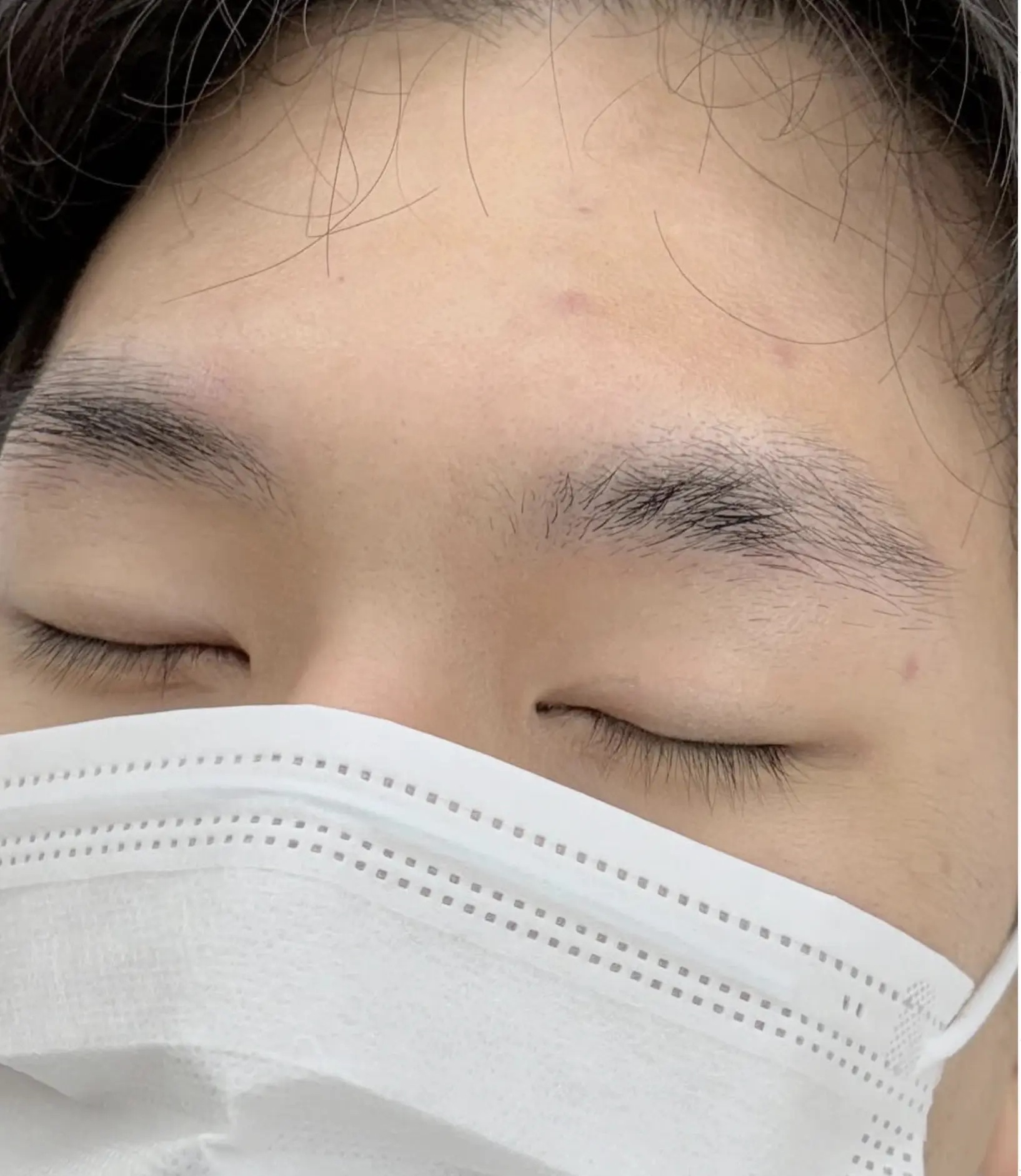
Aftercare Products (Best for Days 1–7)
- Antibacterial soap or mild soap: For gentle daily washing with lukewarm water or sterile water and a damp cotton pad
- Tattoo-specific balms: Look for panthenol, calendula, and chamomile.
- Ink Nurse Aftercare Balm (Aussie-made): Vegan, light, and tattoo-safe.
- Skinstitut Repair Balm: Clinic-grade for sensitive skin types.
- Bepanthen (light layer only): A classic. Great for dry skin in winter.
Avoid:
- Antibiotic creams, unless prescribed
- Healing ointments meant for body tattoos — they’re usually too thick
- Glycolic acid, retinol, and any chemical treatments for 4+ weeks
The Role of Skin Type in Aftercare
Your skin type plays a big role in what your brows need after the microblading procedure.
| Skin Type | Best Approach | Avoid |
|---|---|---|
| Oily Skin | Dry healing, minimal product. Use blotting technique. | Coconut oil, excessive balm, heavy creams |
| Dry Skin | The thin layer of hydrating balm after 24 hours. | Harsh soaps, total dry healing |
| Normal Skin | Gentle cleansing + light balm. | Over-applying anything |
| Sensitive Skin | Saline spray, calming balm like chamomile or calendula. | Fragrance, preservatives, and synthetic oils |
| Darker Skin Tone | Watch for darker pigment choices. Prioritise proper care and hydration. | Over-correction, chemical exfoliants |
What the 2025 Beauty Data Says
According to recent industry data, over 68% of Australian cosmetic tattoo clients in 2025 are opting for skin-type-tailored aftercare products over generic “natural” oils. Studio audits from professional brow forums show that:
- Coconut oil use has dropped by 30% as more artists report inconsistent healing outcomes.
- Tattoo-specific aftercare brands are now being included in over 75% of microblading starter kits sold in Australia.
Consumer reviews have echoed the shift, with a clear preference for formulations that balance hydration and breathability without the breakout risk.
FAQ
Can I use coconut oil after my microblading appointment?
Not recommended. It’s too heavy and can trap moisture, leading to skin irritation and pigment loss, especially during the initial healing phase.
When is it safe to apply any oil to the brows?
Usually, after 7–10 days, once the scabs have fallen off and the skin barrier has resealed. Then, small amounts of jojoba oil or grapeseed oil may be okay.
Is dry healing or wet healing better?
It depends on your skin type. In Melbourne, dry healing works better for oily skin, while wet healing (gentle cleansing + balm) suits dry or sensitive types.
Can I shower normally after microblading?
No steamy showers, direct water, or exposure to water on brows for at least 7 days. Avoid chlorinated water, contact with chlorine, and strenuous workouts or heavy sweating during this time.
How long do results last?
With proper care, most clients enjoy their fuller eyebrows for 12–18 months, followed by a Touch-Up appointment or additional touch every 1–2 years.